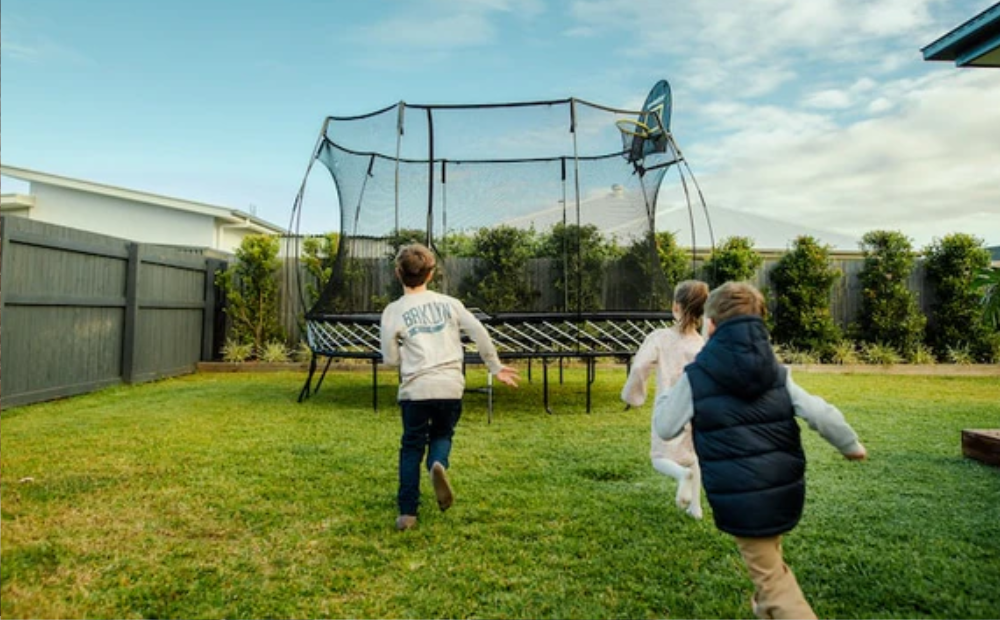
There’s something magical about a backyard trampoline. The moment kids see one, their eyes light up, imaginations soar, and laughter fills the air. But it’s not just a toy—it’s a hub of activity, creativity, and unforgettable memories. From jumping high into the sky to playing imaginative games with friends, a trampoline offers endless fun while promoting physical and mental development. In this article, we’ll explore why every kid dreams of a backyard trampoline, the benefits it brings, safety tips, and practical advice for families who want to create the ultimate outdoor playground.
Endless Fun for Kids
A backyard trampoline is pure joy. Kids love jumping, flipping, and bouncing around with friends or siblings. Unlike traditional toys, a trampoline combines excitement, movement, and imagination. I remember as a child, we would pretend each bounce was a leap into space or a superhero mission. These imaginative games kept us active for hours without realizing we were exercising.
Backyard Trampoline also encourage social interaction. Playing “bounce and catch” or friendly competitions helps children build teamwork skills. Every child’s face lights up when they experience that first high jump—it’s a memory that sticks for life.
Physical Health Benefits
While trampolines are fun, they are also fantastic for fitness. Jumping strengthens muscles, improves balance, and enhances coordination. Even short sessions can increase heart rate, build stamina, and promote overall physical health. Unlike structured sports, trampolining feels like play, not exercise.
In my experience, kids who regularly jump on trampolines develop stronger core muscles and better flexibility. Pediatric experts often recommend trampolining as a fun way to combat sedentary lifestyles. It’s a playful, effective, and safe method to encourage daily physical activity.
Boosting Mental and Emotional Health
Jumping on a Backyard Trampoline does more than benefit the body—it nurtures the mind. Physical activity releases endorphins, which naturally lift mood and reduce stress. Children also gain confidence as they master new skills, like bouncing higher or learning simple flips.
I’ve seen shy kids transform on trampolines. One of my nephews was reserved until he mastered a small flip. The sense of achievement boosted his confidence, and he now eagerly joins outdoor activities with friends. Beyond fun, trampolines teach resilience, patience, and perseverance
Safety Comes First
A trampoline’s joy must be paired with safety. Parents often worry about injuries, but proper precautions make trampolining safe and enjoyable.
Top safety tips:
- Always use a safety net enclosure
- Ensure padding covers all springs and frame edges
- Limit the number of jumpers at a time
- Supervise kids while jumping
- Check equipment regularly for wear and tear
From personal experience, choosing a trampoline with a high-quality safety net made all the difference. Kids could enjoy freely, while parents felt at ease knowing they were protected.
Choosing the Right Trampoline
Not all trampolines are created equal. Selecting the right one ensures fun, safety, and longevity. Consider:
- Size: Small trampolines suit younger children; large ones allow more group play
- Shape: Round is ideal for beginners, rectangular for skilled jumpers
- Material: Look for durable frames, UV-resistant mats, and strong springs
I once helped a friend pick a trampoline for her kids. The round model with a full safety net proved perfect for ages 4–10. As kids grow, families can upgrade to a rectangular trampoline for advanced tricks. Choosing wisely ensures years of joy and safe play.
Creative Games and Activities
ABackyard Trampoline is not just for jumping. It’s a canvas for creativity. Kids can invent games like:
- Bounce and Catch: Toss soft balls while bouncing
- Obstacle Course: Incorporate mini hurdles around the trampoline
- Timed Challenges: Compete on highest jump or longest bounce
I hosted a backyard “trampoline Olympics” for my niece’s birthday. Kids competed in relay-style games and award ceremonies. The trampoline became the center of fun, creativity, and teamwork.
Social Skills and Bonding
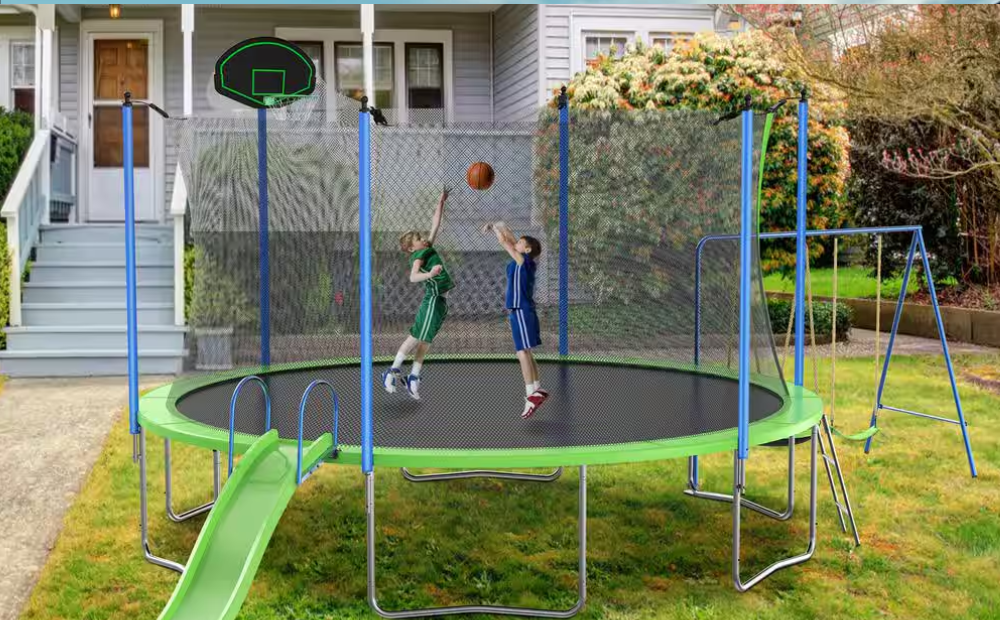
Backyard Trampoline help children develop social skills. Playing with friends teaches cooperation, communication, and sharing. Trampoline play also encourages parents to join in, creating valuable family bonding moments.
I recall family weekends where adults joined kids on the trampoline. Laughter and friendly competitions built memories that outlasted any TV or video game. Trampolines strengthen relationships, foster teamwork, and create lasting joy.
Building Confidence and Resilience
Learning tricks or bouncing higher can be challenging, but it also builds resilience. Children discover they can overcome fear and master new skills through practice. Every successful jump reinforces self-esteem.
My nephew struggled initially with jumping off the trampoline’s edge. With gentle encouragement and repeated attempts, he eventually accomplished it. That small victory boosted his confidence and willingness to try other challenges in life.
Incorporating Trampolines in Backyard Desig
A Backyard Trampoline can transform your backyard into a playful paradise. Place it on soft grass, near shaded areas, and create a surrounding play zone with picnic tables, swings, or garden features.
When designing, think safety first—avoid slopes, water, or hard surfaces nearby. I’ve seen neighbors use trampolines as the focal point for birthdays, family gatherings, and daily play. Proper placement makes the trampoline a central hub for fun.
Maintenance Tips for Longevity
Regular care keeps trampolines safe and enjoyable.
Maintenance tips:
- Inspect springs, mats, and frames regularly
- Keep the trampoline clean and dry
- Cover or store it in bad weather
I once neglected a trampoline during winter, and rusted springs caused minor issues. After following maintenance routines, the trampoline lasted for many years, remaining safe and fun.
Benefits for Children of All Ages
Backyard Trampoline are versatile. Toddlers can enjoy small, safe bounces while older kids can experiment with flips and tricks. Even teenagers find joy in group activities, fitness routines, and friendly competitions.
In my family, ages 3 to 14 shared a trampoline safely. Each child found age-appropriate ways to play, proving that trampolines grow with your kids and remain a constant source of fun.
Conclusion
A backyard trampoline is more than a toy—it’s a gateway to fitness, creativity, and joyful memories. From physical and mental benefits to social growth and family bonding, it offers unmatched value for children of all ages. Choosing the right trampoline, following safety precautions, and creating a fun, engaging backyard space ensures years of safe enjoyment.
Personally, having a Backyard Trampoline in my childhood backyard was transformative. It taught me confidence, encouraged physical activity, and created countless happy memories. Give your child the same joy—a backyard trampoline is truly every kid’s dream.
FAQs About Backyard Trampolines
1. Are trampolines safe for young children?
Yes, with proper safety nets, padding, and supervision, trampolines can be safe for kids as young as 3. Always follow manufacturer guidelines.
2. How often should kids jump on a trampoline?
Short daily sessions of 10–15 minutes are great. Older kids can enjoy longer periods, but supervision is essential.
3. What size trampoline is best for a backyard?
It depends on space and age. Round trampolines suit small areas and young kids; rectangular ones are better for older children.
4. How can I make trampoline play more fun?
Introduce games, challenges, or timed activities. Incorporate soft balls or obstacle courses for variety.
5. How do I maintain my trampoline?
Inspect frames, mats, and springs regularly. Keep it clean and store it safely during bad weather.

Leave a Reply