
A heavy snow warning is issued when meteorological agencies expect significant snowfall that could disrupt daily life, travel, and safety. If you’ve recently searched “heavy snow warning which states,” you’re likely trying to understand where severe winter weather is hitting and what it means for you or your loved ones. These warnings are not just routine alerts—they signal potentially dangerous conditions like blizzards, icy roads, power outages, and limited visibility.
In this article, we’ll break down which states are most commonly affected by heavy snow warnings, how these warnings are issued, and what conditions trigger them. You’ll also learn how to prepare, what to expect during extreme winter storms, and how different regions experience snowfall differently. Whether you’re planning travel, monitoring weather risks, or simply staying informed, this guide will give you a clear, practical understanding of heavy snow warnings and their real-world impact.
What Is a Heavy Snow Warning?
A heavy snow warning is a weather alert issued when a region is expected to receive a large amount of snowfall within a short period. This type of warning is typically released by national weather services when snow accumulation reaches dangerous levels.
Key Criteria for Issuing a Warning
While exact thresholds may vary slightly by region, a warning is usually issued when:
- Snowfall is expected to exceed 6 inches (15 cm) within 12 hours
- Or more than 8 inches (20 cm) within 24 hours
- Visibility may be reduced due to blowing snow
- Travel conditions are expected to become hazardous
These warnings indicate a higher level of urgency compared to snow advisories, which cover lighter snowfall events.
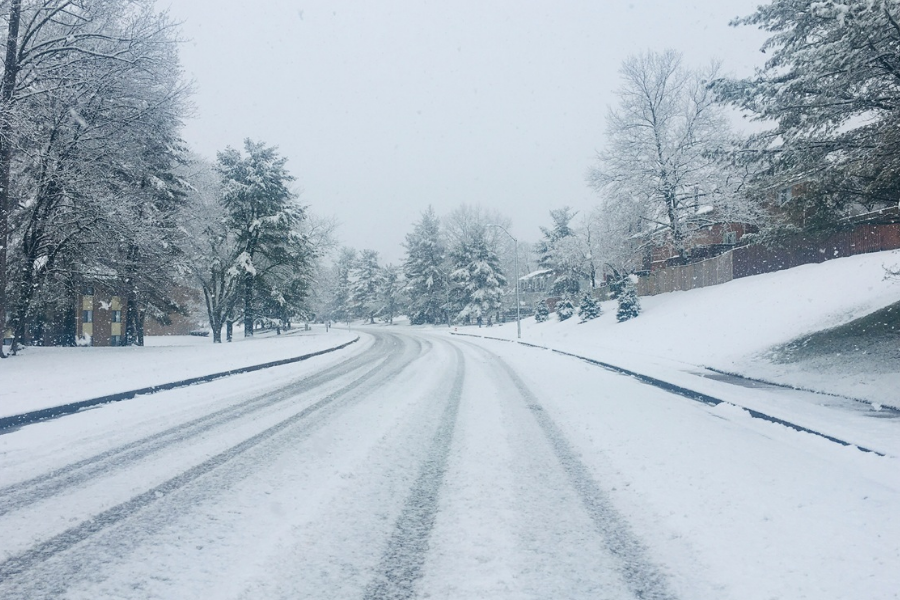
Which States Are Most Affected by Heavy Snow Warnings?
Heavy snow warnings are most common in regions that experience cold climates and frequent winter storms. Below are the key areas where these warnings are regularly issued:
Northern United States
States in the northern part of the country are among the most affected due to their proximity to cold air masses.
Commonly Affected States:
- Minnesota
- Wisconsin
- North Dakota
- South Dakota
- Montana
These states often experience long winters with consistent snowfall, making heavy snow warnings a seasonal occurrence.
Northeast Region
The Northeast is well-known for powerful winter storms, especially nor’easters.
Frequently Impacted States:
- New York
- Massachusetts
- Pennsylvania
- Vermont
- Maine
These areas can experience sudden and intense snowstorms, often accompanied by strong winds and coastal flooding.
Midwest Region
The Midwest sees frequent snowfall due to cold Arctic air interacting with moisture from the Great Lakes.
Key States:
- Michigan
- Illinois
- Indiana
- Ohio
Lake-effect snow is a major factor here, leading to localized but extremely heavy snowfall.
Western Mountain States
High elevations contribute to heavy snowfall in western states.
Common Areas:
- Colorado
- Utah
- Wyoming
- Idaho
Snowstorms in these regions can be intense, especially in mountainous terrain where snow accumulates quickly.
Alaska
Alaska regularly experiences extreme winter weather, making heavy snow warnings a routine part of life in many regions.
How Heavy Snow Warnings Are Issued
Weather agencies use advanced forecasting tools to predict snowfall patterns. These include:
- Satellite imagery
- Radar systems
- Temperature and pressure models
- Historical weather data
Meteorologists analyze these factors to determine the likelihood and severity of snowfall before issuing a warning.
Timing of Warnings
- Usually issued 12 to 36 hours before the expected snowfall
- Updated frequently as conditions change
- May escalate to blizzard warnings if winds intensify
What Conditions Lead to Heavy Snowfall?
Heavy snow warnings are typically triggered by specific weather patterns.
Common Causes:
- Low-Pressure Systems
These systems bring moisture and cold air together, creating snowstorms. - Lake-Effect Snow
Cold air passing over warmer lake water picks up moisture and dumps it as snow. - Nor’easters
Powerful storms along the East Coast that bring heavy snow and strong winds. - Cold Front Collisions
When warm and cold air masses collide, precipitation forms and freezes into snow.
Impact of Heavy Snow Warnings
When a heavy snow warning is in effect, it can significantly disrupt daily life.
Transportation Disruptions
- Road closures
- Flight cancellations
- Delayed public transport
Safety Risks
- Slippery roads and accidents
- Reduced visibility
- Risk of hypothermia and frostbite
Infrastructure Challenges
- Power outages due to heavy snow on lines
- Blocked emergency routes
- School and business closures
How to Prepare for a Heavy Snow Warning
Preparation is essential to stay safe during severe winter weather.
Before the Snowstorm
- Stock up on food, water, and essential supplies
- Charge electronic devices
- Check heating systems
- Keep emergency kits ready
During the Snowstorm
- Avoid unnecessary travel
- Stay indoors as much as possible
- Monitor weather updates
- Keep pathways clear if safe to do so
Emergency Essentials Checklist
- Flashlights and batteries
- Blankets and warm clothing
- First aid kit
- Non-perishable food
Differences Between Snow Advisory and Heavy Snow Warning
Understanding the difference helps you respond appropriately.
| Feature | Snow Advisory | Heavy Snow Warning |
|---|---|---|
| Snow Amount | Light to moderate | Heavy snowfall |
| Impact | Minor inconvenience | Significant disruption |
| Urgency | Low | High |
| Action Needed | Caution | Immediate preparation |
Climate Trends and Changing Snow Patterns
In recent years, snowfall patterns have become less predictable due to climate shifts.
Observed Changes:
- Shorter but more intense snow events
- Increased frequency of extreme weather
- Variability in snowfall across regions
Some states that historically saw moderate snow are now experiencing heavier and more sudden storms.
Real-World Example of Heavy Snow Warning Impact
In several past winters, states like New York and Michigan experienced massive snowfall events that led to:
- Multi-day road closures
- Emergency declarations
- Significant economic disruption
These events highlight how important it is to take warnings seriously and prepare in advance.
FAQ Section
1. What does a heavy snow warning mean for daily travel?
A heavy snow warning indicates dangerous travel conditions. Roads may become icy or blocked, and visibility can drop significantly. It’s best to avoid travel unless absolutely necessary and follow local safety advisories.
2. How much snow qualifies as “heavy snowfall”?
Typically, heavy snowfall means at least 6 inches within 12 hours or 8 inches in 24 hours. However, this can vary slightly depending on the region and weather authority.
3. Are heavy snow warnings issued in southern states?
They are rare but possible. Southern states may receive warnings during unusual cold snaps, especially when moisture combines with freezing temperatures.
4. How long do heavy snow warnings usually last?
Most warnings last between 12 to 24 hours, depending on the storm’s duration. However, conditions may remain hazardous even after the warning expires.
Conclusion
Heavy snow warnings are critical alerts that help people prepare for severe winter conditions. From the northern plains to the Northeast and mountainous regions, certain states experience these warnings more frequently due to climate and geography. Understanding which states are affected, how warnings are issued, and what steps to take can make a significant difference in safety and preparedness.
Staying informed and planning ahead ensures you’re not caught off guard when winter weather turns extreme. As weather patterns continue to evolve, keeping an eye on forecasts becomes even more important. If you’re curious, you might next explore how blizzard warnings differ or how winter storms are named and tracked.

Leave a Reply