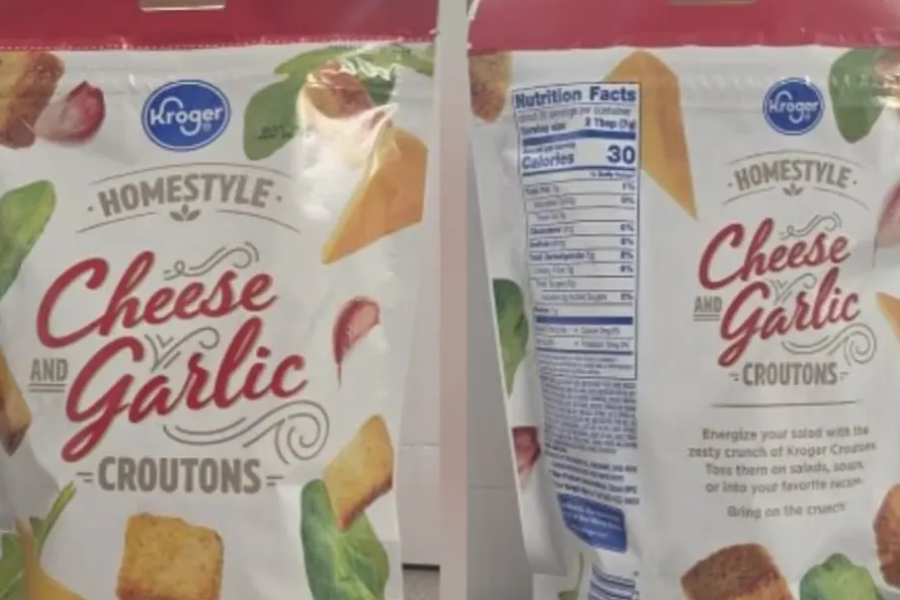
The recent kroger cheese garlic croutons recall has raised concerns among shoppers who regularly purchase packaged salad toppings and pantry staples. Food recalls can happen for several reasons, including contamination risks, undeclared allergens, packaging issues, or manufacturing errors. When a widely recognized grocery brand is involved, consumers naturally want clear answers about what products are affected, whether the food is safe to eat, and what steps they should take next.
This article explains everything currently known about the recall, including why the product was pulled from shelves, how consumers can identify affected packages, potential health risks, and what to do if you already purchased the croutons. You’ll also learn how grocery recalls are handled, how refund procedures usually work, and how to stay informed about future food safety alerts. Whether you are looking for recall details, safety guidance, or practical next steps, this guide provides a complete overview in an easy-to-understand format.
What Is the Kroger Cheese Garlic Croutons Recall?
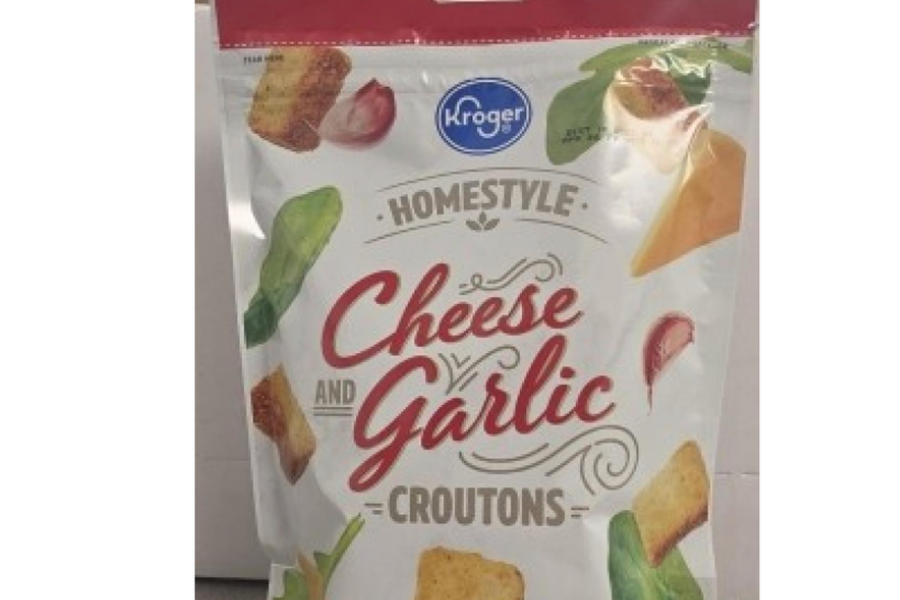
The recall involves cheese garlic croutons sold through Kroger-affiliated grocery stores. Product recalls are typically issued when a manufacturer or food safety authority identifies a problem that could affect consumer health or product quality.
In many cases, recalls may involve:
- Possible contamination
- Undeclared allergens
- Incorrect labeling
- Foreign material concerns
- Packaging defects
- Manufacturing or processing errors
For consumers, the most important step is identifying whether their product matches the recalled batch information. Grocery chains generally publish specific details such as:
- Product name
- UPC code
- Lot number
- Best-by date
- Package size
- Store locations affected
These details help shoppers determine whether their purchase is part of the affected recall.
Why Food Recalls Happen
Food recalls are more common than many people realize. Grocery products move through large manufacturing and distribution systems, and even minor production issues can trigger a nationwide or regional recall.
Common Reasons for Food Product Recalls
Undeclared Allergens
One of the leading causes of food recalls is missing allergen information. If a product contains milk, wheat, soy, eggs, nuts, or other major allergens that are not listed properly on the packaging, it can pose serious health risks.
Possible Contamination
Manufacturing facilities are regularly inspected for contamination risks involving bacteria such as:
- Salmonella
- Listeria
- E. coli
Even the possibility of contamination may result in a precautionary recall.
Packaging or Labeling Errors
Sometimes the wrong label is placed on a product, causing confusion about ingredients or expiration dates. This may lead companies to remove products from store shelves quickly.
Foreign Material Concerns
Products may also be recalled if consumers report unexpected materials such as plastic fragments, metal pieces, or packaging debris inside food items.
How to Identify Affected Cheese Garlic Croutons
Consumers should carefully inspect any cheese garlic croutons purchased from Kroger or affiliated grocery stores.
Check the Packaging Information
Look for:
- Product name
- Size of the package
- UPC barcode
- Best-by date
- Batch or lot number
These details are usually printed near the back seal or bottom of the packaging.
Compare Recall Notices Carefully
Food recalls can affect only specific batches rather than every package sold under the same product name. That is why matching the exact lot information matters.
Stores Commonly Associated With Kroger
Kroger operates several regional grocery chains across the United States. Depending on distribution, recalled products may also appear under affiliated store brands.
Consumers should check receipts or packaging from stores connected to:
- Kroger
- Ralphs
- Fry’s
- King Soopers
- Harris Teeter
- Smith’s
- Dillons
- Fred Meyer
Availability varies by region.
Potential Health Risks Associated With Recalled Croutons
The health impact depends entirely on the reason for the recall. Some recalls are precautionary, while others involve more serious risks.
Allergen Exposure Risks
If the recall involves undeclared allergens, affected consumers could experience reactions ranging from mild symptoms to severe allergic emergencies.
Possible symptoms include:
- Hives
- Swelling
- Difficulty breathing
- Stomach discomfort
- Vomiting
- Anaphylaxis in severe cases
People with known food allergies should avoid consuming any recalled product immediately.
Risks From Bacterial Contamination
If contamination is suspected, symptoms may include:
- Fever
- Diarrhea
- Nausea
- Stomach cramps
- Fatigue
Older adults, children, pregnant women, and individuals with weakened immune systems are generally more vulnerable to foodborne illness complications.
Foreign Object Hazards
Physical contaminants such as plastic or metal fragments can potentially cause:
- Mouth injuries
- Choking hazards
- Digestive tract injuries
Even small objects inside packaged food can create safety concerns.
What Consumers Should Do Immediately
If you believe you purchased an affected product, follow these steps carefully.
Stop Using the Product
Do not consume the croutons until you verify whether they are included in the recall.
Check Recall Information
Compare your package details with official recall information available through grocery stores or food safety announcements.
Dispose of the Product Safely
If the package matches the recall notice, discard it securely so nobody accidentally consumes it.
Request a Refund
Most grocery chains offer refunds for recalled items. In many cases:
- A receipt may help speed up the process
- Some stores allow returns without receipts
- Customer service desks can explain store-specific policies
Monitor for Symptoms
If anyone consumed the product and develops unusual symptoms, contact a healthcare professional promptly.
How Grocery Recall Systems Work
Many shoppers wonder how recalls are discovered and why they sometimes happen weeks after products reach shelves.
Consumer Complaints
Recalls often begin after customers report problems such as illness, allergic reactions, or packaging defects.
Internal Company Testing
Manufacturers routinely test food samples for quality and contamination. A failed test can trigger a voluntary recall before widespread illness occurs.
Government Inspections
Food safety agencies regularly inspect facilities and production systems. Findings may lead to recalls if standards are not met.
Traceability Systems
Modern food distribution systems use tracking codes to identify where products were manufactured and shipped. This helps stores remove affected products quickly.
Are Store-Brand Products Safe Overall?
A recall does not necessarily mean an entire grocery chain or brand is unsafe. Food recalls happen across all major retailers and manufacturers.
Why Recalls Can Actually Be a Positive Sign
While recalls are inconvenient, they also show that monitoring systems are functioning. Companies that issue recalls quickly are generally trying to reduce potential risks before more consumers are affected.
Safety Standards in Grocery Manufacturing
Food manufacturers typically follow strict procedures involving:
- Ingredient testing
- Sanitation protocols
- Quality inspections
- Packaging verification
- Supply chain monitoring
Even with these systems in place, occasional mistakes can still occur.
Understanding Voluntary vs. Mandatory Recalls
Consumers often see terms like “voluntary recall” and assume the issue is minor. That is not always true.
Voluntary Recall
A voluntary recall occurs when a company chooses to remove products proactively after identifying a potential issue.
Mandatory Recall
A mandatory recall happens when a government agency orders the removal of products that may pose a health risk.
Both types should be taken seriously by consumers.
How Long Recalled Products Stay on Shelves
Once a recall is announced, stores usually act quickly to remove affected inventory. However, some products may remain in consumer homes for weeks or months.
Pantry Staples Often Go Unnoticed
Croutons are shelf-stable products that many people keep for long periods. That increases the chance that affected packages remain unopened in kitchens after the recall announcement.
Why Checking Expiration Dates Matters
Consumers should regularly review pantry items for:
- Expired products
- Damaged packaging
- Recall notices
- Storage issues
This simple habit can improve food safety at home.
How to Stay Updated on Future Food Recalls
Food recalls occur regularly across many product categories. Staying informed helps consumers respond quickly.
Sign Up for Grocery Alerts
Some grocery chains offer email or mobile notifications about recalls and safety announcements.
Monitor Food Safety Updates
Consumers can also check national food safety databases and public health alerts for updated information.
Save Receipts for Grocery Purchases
Keeping digital or paper receipts can make it easier to identify recalled products and obtain refunds.
What This Recall Means for Consumers
The cheese garlic croutons recall highlights the importance of food safety awareness and careful product monitoring. While recalls can sound alarming, most situations are handled quickly before widespread harm occurs.
Consumers should focus on:
- Checking package details carefully
- Following recall instructions
- Monitoring for symptoms if the product was consumed
- Staying informed about future announcements
Most importantly, shoppers should not panic. Food recall systems exist specifically to identify and remove potentially unsafe products before they cause broader health problems.
FAQ Section
Why were Kroger cheese garlic croutons recalled?
The recall may involve concerns such as undeclared allergens, contamination risks, labeling errors, or packaging problems. Consumers should review official recall details to confirm the exact reason connected to the affected batch.
How can I tell if my croutons are part of the recall?
Check the package for the product name, UPC code, lot number, and best-by date. Compare those details carefully with the recall announcement to determine whether your package is included.
Can I return recalled croutons without a receipt?
Many grocery stores allow recalled products to be returned even without a receipt. Policies vary by retailer, but customer service departments often provide refunds or replacements for recalled food items.
What happens if I already ate the recalled croutons?
If you consumed the product and feel unwell, monitor your symptoms and contact a healthcare provider if necessary. The level of risk depends on the reason for the recall and any personal health conditions or allergies.
Conclusion
The recent recall involving cheese garlic croutons serves as a reminder that food safety systems play an important role in protecting consumers. Whether the issue involves allergens, contamination concerns, or labeling problems, responding quickly can help reduce potential health risks.
Consumers should carefully review packaging information, follow recall guidance, and remain aware of pantry items that may have been purchased weeks earlier. Grocery recalls may feel concerning, but they are also evidence that monitoring systems are actively working to identify problems before they become larger public health issues.
Staying informed, checking food labels carefully, and paying attention to recall notices can help shoppers make safer choices for themselves and their families.

Leave a Reply