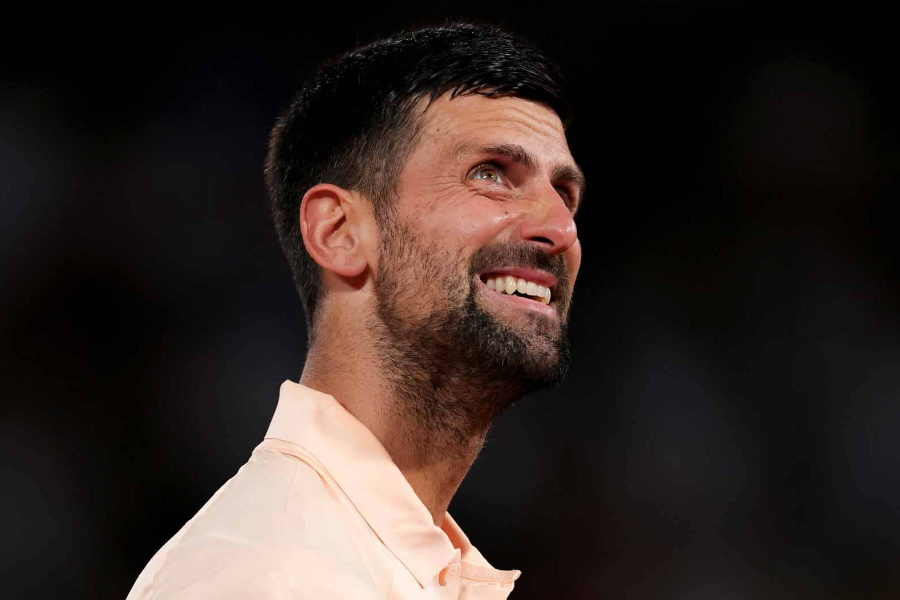
Few players in tennis history have dominated the sport like Novak Djokovic. From record-breaking Grand Slam victories to unforgettable battles on clay, Djokovic continues to shape the modern era of tennis. As another intense season at the French Open unfolds, fans are once again watching closely to see whether the Serbian legend can extend his dominance against a rising generation of challengers.
This year’s tournament brings intriguing matchups and fresh storylines involving names such as Giovanni Mpetshi Perricard, Quentin Halys, Damir Džumhur, and Jakub Menšík. Interest around mpetshi perricard, perricard tennis, and emerging stars has grown rapidly as younger players push established champions harder than ever.
This article explores Djokovic’s French Open journey, his current form, key rivals, tactical strengths on clay, and how the next wave of players could influence the future of men’s tennis.
Novak Djokovic’s Legacy in Modern Tennis

Novak Djokovic is widely considered one of the greatest athletes ever to hold a tennis racket. His combination of mental toughness, defensive movement, flexibility, and return game has helped him dominate multiple generations of opponents.
Grand Slam Success
Djokovic’s achievements include:
- Multiple Grand Slam titles across all surfaces
- Historic weeks ranked world No. 1
- Career wins against nearly every major rival
- Dominance in marathon five-set matches
- Success in both hard-court and clay-court eras
What makes his career remarkable is adaptability. Unlike many specialists, Djokovic evolved continuously, improving his serve, net play, and aggressive baseline tactics over time.
Why Clay Court Success Matters
The French Open has traditionally been one of the hardest tournaments to win because clay slows the ball and extends rallies. Players must combine endurance, patience, and tactical intelligence.
For years, Djokovic faced the challenge of competing in the era of Rafael Nadal, arguably the greatest clay-court player ever. Despite that obstacle, Djokovic still managed to build an exceptional Roland Garros record.
Djokovic and the French Open Journey
Early Struggles on Clay
In his early career, Djokovic often reached the later rounds but struggled to consistently defeat elite clay specialists. Long rallies and physical battles tested every aspect of his game.
However, he gradually transformed into a complete clay-court competitor through:
- Improved sliding technique
- Better topspin control
- More aggressive forehand positioning
- Smarter point construction
Breakthrough Moments
One of the defining moments of Djokovic’s career came when he finally captured the French Open title after years of near misses. That victory completed his career Grand Slam and confirmed his greatness on every surface.
His later French Open campaigns further strengthened his legacy, especially victories against younger, more explosive opponents.
The Rise of Giovanni Mpetshi Perricard

One of the most discussed rising names in recent tournaments is Giovanni Mpetshi Perricard. Fans searching for giovanni mpetshi perricard and mpetshi perricard are increasingly interested in the French talent’s explosive game.
Why Perricard Tennis Is Gaining Attention
The phrase “perricard tennis” has become popular because of his unique playing style. Standing notably tall with a powerful serve, Perricard combines raw athleticism with aggressive baseline hitting.
Key strengths include:
- Huge first serve
- Quick finishing ability
- Strong forehand pace
- Confidence under pressure
Can Mpetshi Perricard Challenge Veterans?
Although still developing tactically, Perricard represents the kind of fearless young player capable of troubling experienced champions.
Against elite defenders like Djokovic, however, young power hitters often face challenges such as:
- Maintaining consistency in long rallies
- Handling pressure in crucial moments
- Adjusting when opponents neutralize their serve
Still, many analysts believe Giovanni Mpetshi Perricard could become one of the most dangerous players of the next generation.
Quentin Halys and the French Tennis Movement
Quentin Halys has also contributed to the growing depth of French men’s tennis.
How Quentin Halys Compares to Younger Stars
Unlike extremely young prospects, Halys brings greater professional experience and tactical maturity. His game is built around:
- Controlled aggression
- Effective serving patterns
- Baseline stability
- Smart court positioning
While he may not receive the same hype as mpetshi perricard, Halys remains a dangerous opponent, especially in best-of-five-set matches where patience becomes critical.
French Open Pressure for Local Players
French players often face enormous expectations during Roland Garros. Home crowds create incredible energy but also intense pressure.
For emerging French athletes, facing someone like Djokovic at the French Open becomes both an opportunity and a psychological test.
Damir Džumhur’s Experience on Clay

Damir Džumhur has long been respected for his movement and fighting spirit on clay courts.
Searches for damir džumhur and damir dzumhur often increase during major clay tournaments because of his ability to extend rallies and frustrate bigger hitters.
What Makes Džumhur Dangerous?
Despite not possessing overwhelming power, Džumhur competes with:
- Excellent court coverage
- Tactical creativity
- Counterpunching ability
- Mental resilience
Against top seeds, players like Džumhur attempt to disrupt rhythm rather than overpower opponents directly.
Djokovic vs Defensive Specialists
Djokovic historically performs well against defensive players because of his patience and precision. Yet long clay-court exchanges can still become physically demanding, especially in later tournament rounds.
Jakub Menšík and the Next Generation

Among the most exciting young talents in men’s tennis is Jakub Menšík.
Why Tennis Fans Are Watching Menšík Closely
Jakub Menšík has impressed fans with his maturity, shot selection, and composure against elite players. Despite his age, he already shows qualities associated with future top-ranked stars.
His strengths include:
- Big serving power
- Confident backhand hitting
- Calm decision-making
- Strong physical tools
The Challenge of Facing Djokovic
Young players often grow up studying Djokovic’s game, but facing him in person is completely different. Djokovic’s ability to absorb pace and redirect shots creates enormous pressure.
Many younger stars discover that winning a set against Djokovic is difficult — winning three is even harder.
What Makes Djokovic So Difficult to Beat?
Elite Return of Serve
Many experts consider Djokovic the greatest returner in tennis history. Against big servers such as Giovanni Mpetshi Perricard, this becomes a major advantage.
Even powerful serves frequently come back deep and accurately, immediately shifting pressure onto opponents.
Mental Toughness
Djokovic’s mental discipline separates him from most players. He consistently performs well in:
- Tiebreaks
- Break-point situations
- Fifth sets
- Hostile crowd environments
This psychological strength has helped him survive countless dramatic matches.
Physical Endurance
Clay court tennis demands exceptional stamina. Djokovic’s flexibility and conditioning allow him to maintain intensity deep into tournaments.
Even against younger opponents, he often appears fresher in long matches.
How the French Open Field Is Changing
The men’s game is entering a transition period. Established legends remain competitive, but younger athletes continue closing the gap.
New Styles Emerging
Today’s younger players combine:
- Power-based serving
- Aggressive baseline play
- Faster court positioning
- Improved athleticism
Players like Jakub Menšík and Giovanni Mpetshi Perricard represent a more explosive generation.
Experience vs Fearlessness
Veterans such as Djokovic still rely on experience, strategy, and composure. Younger competitors rely more on pace, confidence, and fearless shot-making.
This contrast creates fascinating French Open matchups.
Tactical Breakdown: Djokovic on Clay
Defensive Excellence
Djokovic’s sliding movement on clay allows him to turn defense into offense quickly.
He excels at:
- Redirecting cross-court angles
- Neutralizing heavy topspin
- Extending rallies strategically
- Forcing opponents into overhitting
Offensive Improvements
Earlier in his career, Djokovic sometimes played too defensively on clay. In recent years, he has become more aggressive with:
- Short-angle forehands
- Net approaches
- Serve placement
- Early backhand striking
These adjustments helped him remain dominant even as the sport evolved.
Could Younger Players Overtake Djokovic Soon?
This question continues to dominate tennis discussions.
Why Djokovic Still Remains Dangerous
Even in later stages of his career, Djokovic continues proving that intelligence and discipline can offset age-related decline.
His strengths remain elite:
- Tactical adaptability
- Experience under pressure
- Physical preparation
- Match management
The Growing Threat of New Talent
At the same time, players like Jakub Menšík and Giovanni Mpetshi Perricard are improving rapidly. Their aggressive styles can shorten points and reduce the physical advantage veterans usually enjoy.
The next few French Open tournaments may represent a turning point in men’s tennis history.
The Global Impact of Djokovic
Novak Djokovic has influenced tennis far beyond statistics and trophies.
Inspiration for Future Generations
Young players worldwide study his:
- Movement patterns
- Return positioning
- Mental preparation
- Nutrition and recovery methods
His career demonstrates how discipline and constant improvement can sustain excellence for nearly two decades.
Expanding Tennis Popularity
Djokovic’s success has also increased tennis interest across Serbia and Eastern Europe, inspiring many young athletes to pursue professional careers.
FAQ
How many French Open titles has Novak Djokovic won?
Djokovic has won multiple French Open championships during his career, establishing himself as one of the few players to dominate on every major surface. His Roland Garros success became especially significant because of the intense competition during the Rafael Nadal era.
Who is Giovanni Mpetshi Perricard?
Giovanni Mpetshi Perricard is a rising French tennis player known for his massive serve and aggressive playing style. Interest in mpetshi perricard and perricard tennis has grown rapidly due to his performances against higher-ranked opponents.
Is Jakub Menšík considered a future Grand Slam contender?
Many analysts believe Jakub Menšík has the tools to become a future Grand Slam contender. His power, maturity, and composure at a young age have already impressed tennis fans and coaches.
What makes Damir Džumhur effective on clay courts?
Damir Džumhur succeeds on clay because of his movement, defensive skills, and ability to extend rallies. His tactical approach can frustrate aggressive opponents and create physically demanding matches.
Conclusion
Novak Djokovic continues to stand at the center of men’s tennis history, especially during the demanding clay-court season and the French Open. While established stars still dominate major tournaments, rising names like Giovanni Mpetshi Perricard, Jakub Menšík, Damir Džumhur, and Quentin Halys are bringing fresh energy to the sport.
The coming years could define one of tennis’s most fascinating transitions, where experience battles youthful ambition on the biggest stages in the world. Whether Djokovic adds more trophies or the next generation rises sooner than expected, the future of tennis promises unforgettable drama.

Leave a Reply