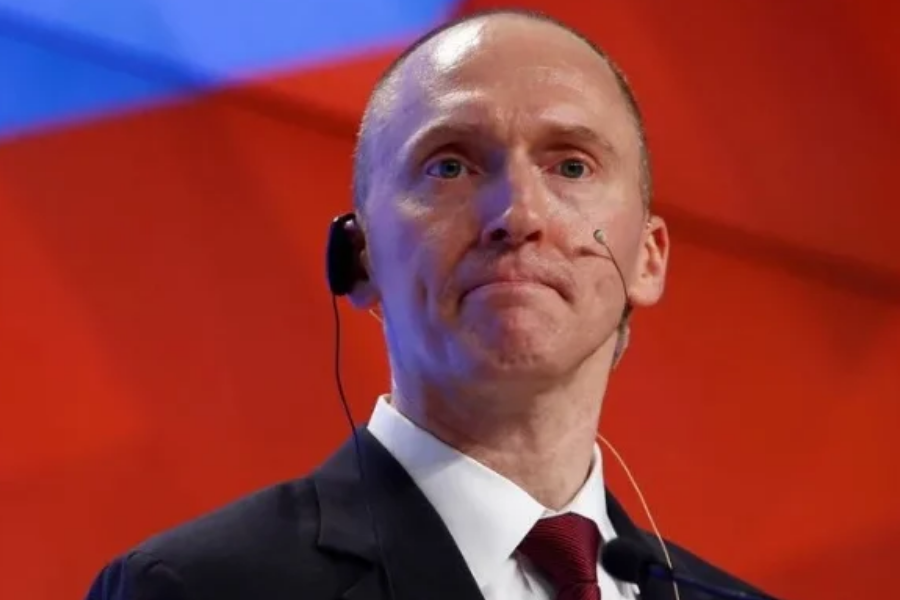
The phrase carter page appeal rejected has drawn significant attention following a major development in one of the most closely watched legal disputes connected to the FBI’s investigation into Russian interference in the 2016 U.S. presidential election. Former Trump campaign adviser Carter Page spent years pursuing legal action against former FBI Director James Comey and other federal officials, alleging that he was unlawfully surveilled through flawed warrants obtained under the Foreign Intelligence Surveillance Act (FISA).
The legal battle became a focal point in broader debates about government surveillance, accountability, and the conduct of federal investigators during politically sensitive investigations. Supporters of Page argued that serious errors identified in surveillance applications justified his claims, while courts focused on whether his lawsuit met legal requirements and filing deadlines.
This article explains Carter Page Lawsuit James Comey the origins of the Carter Page lawsuit against James Comey, examines why the courts dismissed the case, explores the significance of the rejected appeal, and discusses what the ruling means for future lawsuits involving government surveillance and federal officials. It also answers the most common questions people are asking about the case and its broader implications.
Who Is Carter Page?
Background and Role in the 2016 Campaign
Carter Page is a former energy consultant who briefly served as a foreign policy adviser during Donald Trump’s 2016 presidential campaign. His connections to Russia attracted the attention of U.S. intelligence and law enforcement agencies during investigations into Russian election interference.
Although Page was investigated and surveilled by the FBI, he was never charged with any crime related to the Russia investigation.
Why He Became a Focus of Federal Surveillance
Federal authorities sought surveillance warrants after concerns emerged regarding Page’s contacts with Russian individuals and entities. These warrants were approved through the Foreign Intelligence Surveillance Court under FISA procedures.
Years later, a Justice Department Inspector General report identified multiple errors and omissions in the applications used to obtain those warrants, fueling criticism of the FBI’s handling of the matter.

Understanding the Carter Page Lawsuit Against James Comey
Why the Lawsuit Was Filed
In 2020, Page filed a lawsuit against the Department of Justice, the FBI, and several current and former FBI officials, including James Comey.
His allegations centered on claims that:
- Surveillance warrants were improperly obtained.
- Government officials violated federal law.
- Information about him was improperly disclosed.
- The investigation caused reputational and financial harm.
Page argued that federal officials should be held personally accountable for actions connected to the surveillance process.
The Central Legal Claims
The lawsuit focused largely on:
- Alleged FISA violations.
- Constitutional claims.
- Privacy-related grievances.
- Damages resulting from surveillance activities.
Page maintained that errors identified by investigators demonstrated misconduct serious enough to justify legal liability.
The FBI Surveillance Controversy
What the Inspector General Found
One of the most significant developments came when a Justice Department Inspector General report identified substantial mistakes in the FISA applications used to surveil Page.
Among the concerns were:
- Inaccurate information.
- Material omissions.
- Failures in verification procedures.
- Problems involving supporting evidence.
The report became a key part of Page’s argument that he had been wrongfully targeted.
Why the Findings Did Not Automatically Guarantee a Legal Victory
While the report criticized aspects of the surveillance process, legal liability requires more than proving errors occurred.
Courts must also consider:
- Filing deadlines.
- Jurisdictional requirements.
- Immunity protections.
- Standards for proving damages.
- Statutory limitations.
As a result, criticism of government conduct does not necessarily translate into a successful lawsuit.
Why Lower Courts Dismissed the Case
Statute of Limitations Issues
A major obstacle for Page involved timing.
Federal courts determined that key claims were filed outside the applicable statute of limitations. According to the courts, Page had sufficient information years earlier to bring legal action but waited too long to do so.
Page’s Argument
Page argued that the limitations period should begin when official reports later revealed the extent of the errors in the surveillance process.
His legal team contended that meaningful knowledge of the alleged wrongdoing did not become available until government reviews exposed serious problems within the FISA applications.
Court Response
Federal courts ultimately rejected that interpretation.
Judges concluded that Page possessed enough information earlier to investigate and pursue claims, making the lawsuit untimely under applicable legal standards.
Carter Page Appeal Rejected by Higher Courts
The D.C. Circuit Decision
In 2025, the U.S. Court of Appeals for the District of Columbia Circuit upheld the dismissal of Page’s lawsuit.
The appellate court agreed that the claims were either time-barred or otherwise insufficient to proceed. This ruling represented a major setback for Page’s efforts to continue litigation against former FBI officials.
Appeal to the Supreme Court
After losing in the appellate court, Page petitioned the U.S. Supreme Court to review the case.
He argued that lower courts had incorrectly interpreted the timing requirements and failed to properly address the significance of later-discovered government misconduct.
Supreme Court Declines to Hear the Case
Final Outcome
In June 2026, the Supreme Court declined to hear Page’s appeal.
The justices did not issue a detailed explanation, which is common when the Court denies review. The decision left the lower court ruling in place and effectively ended the lawsuit against James Comey and the other former FBI officials.
What the Decision Means
The Supreme Court’s refusal to take the case did not represent a judgment on whether the FBI acted appropriately.
Instead, it meant the Court chose not to revisit the lower courts’ conclusions regarding procedural and legal issues surrounding the lawsuit.
The Settlement With the Federal Government
Separate Claims Produced a Settlement
While the lawsuit against individual officials ultimately failed, Page achieved a measure of success through separate claims against the federal government.
The Trump administration agreed to a settlement reportedly worth approximately $1.25 million. This settlement resolved certain claims while leaving the litigation against individual officials unresolved.
Why the Settlement Matters
The settlement is often cited by supporters as evidence that mistakes occurred during the investigation.
However, settlements do not necessarily constitute admissions of wrongdoing and can occur for a variety of legal and practical reasons.
Why the Case Remains Significant
Questions About Government Surveillance
The dispute continues to influence discussions regarding:
- Intelligence oversight.
- Surveillance authority.
- Civil liberties.
- Government accountability.
- FISA reform.
The case has become a reference point for critics who believe stronger safeguards are needed when surveillance powers are used.
Implications for Future Litigation
Future plaintiffs challenging federal surveillance practices may face similar hurdles, including:
- Strict filing deadlines.
- Government immunity defenses.
- Complex procedural requirements.
- High burdens of proof.
The Page litigation illustrates how difficult it can be to convert allegations of investigative misconduct into successful civil claims.
Key Takeaways From the Carter Page Lawsuit
Several important lessons emerge from the case:
- Procedural rules often determine outcomes as much as underlying facts.
- Government investigations remain subject to oversight and review.
- Inspector General findings can expose serious deficiencies.
- Legal claims must still satisfy strict statutory requirements.
- Supreme Court review is granted only in a small percentage of cases.
The lawsuit serves as both a cautionary tale about surveillance oversight and a reminder of the procedural barriers present in federal litigation.
FAQ
Why was Carter Page’s appeal rejected?
The courts concluded that many of Page’s claims were filed too late under applicable statutes of limitation. The Supreme Court later declined to review those decisions, allowing the lower court rulings to stand.
Did the Supreme Court rule on whether the FBI acted improperly?
No. The Court declined to hear the case and did not issue a ruling on the merits of the surveillance allegations. The decision simply left existing lower-court rulings intact.
What was Carter Page suing James Comey for?
Page alleged that Comey and other former FBI officials played roles in obtaining surveillance warrants that he claimed were unlawful and based on flawed information.
Was Carter Page ever charged with a crime?
No. Despite being the subject of FBI surveillance during the Russia investigation, Page was never criminally charged in connection with the matter.
Conclusion
The story behind the carter page appeal rejected headline reflects the intersection of politics, national security, surveillance law, and civil litigation. Although courts acknowledged procedural questions surrounding the timing of his claims rather than fully revisiting the underlying surveillance controversy, the case remains one of the most discussed legal battles arising from the Russia investigation.
With the Supreme Court declining review, the lawsuit against James Comey and other former FBI officials has effectively reached its conclusion. Yet debates about FISA oversight, investigative accountability, and the balance between security and civil liberties are likely to continue for years to come. For anyone following the evolution of government surveillance law, this case remains an important chapter worth understanding.

Leave a Reply