
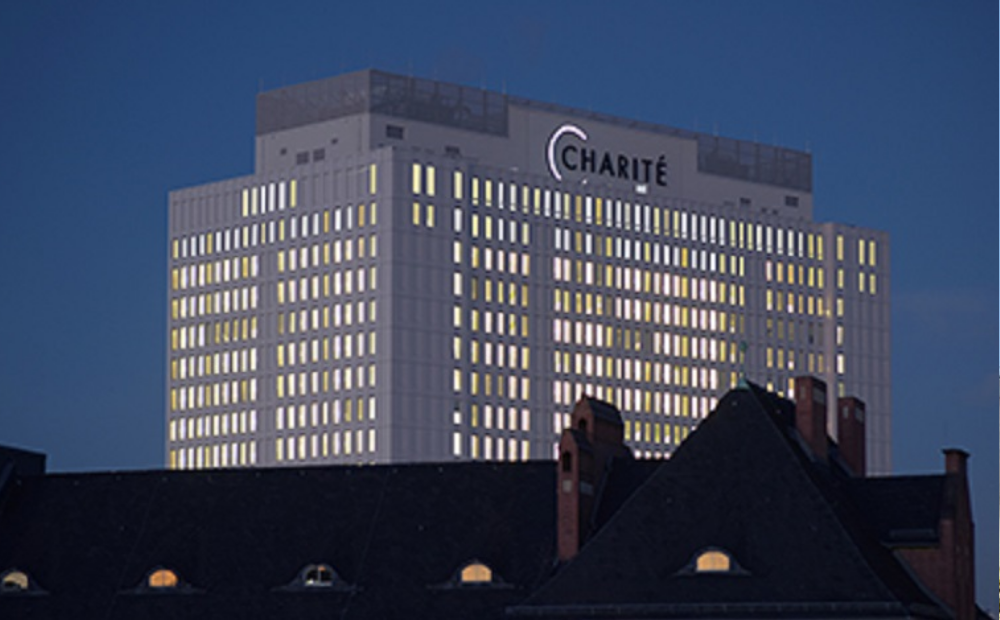
Charité is more than a hospital. It is a living symbol of care, science, and human progress. Located in Berlin, this world-famous medical institution has shaped healthcare for centuries. From lifesaving discoveries to compassionate patient care, stands as a trusted name in medicine. Many people know it as one of Europe’s largest university hospitals. Others see it as a place where medical history was written.
What makes charite special is its balance of tradition and innovation. Old buildings tell stories of past struggles, while modern labs create future cures. Doctors, students, and researchers from around the world come here to learn and grow. does not only treat illness. It changes how medicine is understood and practiced.
In this article, you will explore its history, academic strength, research influence, and cultural impact. You will also learn about at war, its role in modern science, and why it remains a global leader today.
The Origin and Early History of Charité
The story of charite began in the early 18th century. It started as a small hospital meant to protect the city from disease. At that time, Europe faced frequent outbreaks of plague and other deadly illnesses. Berlin needed a place for care, isolation, and healing.
Over time, grew into a teaching hospital. It became a center for learning where young doctors trained under skilled mentors. This mix of education and treatment shaped its future. Medical knowledge expanded rapidly within its walls.
earned respect by focusing on patients first. Even in difficult times, the hospital adapted. It welcomed new medical ideas and improved care methods. This open mindset allowed it to grow stronger with each generation. Today, its long history adds trust and depth to everything it does.
Charité University: A Center of Medical Education
university is one of the most respected medical schools in Europe. It attracts students from many countries who want to learn from the best. The teaching style combines theory with real hospital experience. Students do not just read textbooks. They observe, practice, and care for real patients.
Education at university focuses on understanding people, not just diseases. Ethics, communication, and empathy are taught alongside science. This creates doctors who are skilled and compassionate.
Professors at the university are often leading researchers. Their discoveries shape modern medicine. Students benefit from learning directly from experts who push medical boundaries. This close link between learning and research keeps at the forefront of healthcare education.
Medical Breakthroughs and Research Excellence
Charité is known worldwide for research excellence. Many major medical discoveries started here. Scientists work across fields such as cancer, neurology, heart disease, and infectious illnesses. Their goal is simple but powerful: improve human life.
Modern labs at use advanced technology. Researchers study diseases at the smallest levels. At the same time, clinical trials help turn ideas into treatments. This direct path from lab to patient saves lives.
International partnerships strengthen research quality. Scientists share knowledge across borders. This global cooperation keeps relevant and trusted. Its research does not stay on paper. It reaches hospitals, doctors, and patients worldwide.
Charité Berlin News and Global Recognition
Charité Berlin news often highlights achievements in medicine and research. Breakthrough studies, awards, and public health contributions appear regularly in global media. This attention is not about fame. It reflects trust in charite’s work.
During health crises, experts from are often called to advise governments and organizations. Their opinions matter because they are based on experience and evidence. This role strengthens public confidence.
Recognition also comes from rankings and medical partnerships. Charite consistently appears among top hospitals worldwide. Such recognition confirms its commitment to quality, care, and innovation.
Charité at War: Medicine in the Hardest Times
Charite at war is a powerful chapter in its history. During major conflicts, Berlin faced destruction, shortages, and suffering. The hospital remained active despite danger. Doctors treated wounded soldiers and civilians under extreme pressure.
These years tested medical courage and ethics. Resources were limited, yet care continued. Lessons learned during wartime improved trauma medicine and emergency care. These experiences shaped future practices.
The wartime legacy reminds us that medicine is not just science. It is service. ability to endure and adapt during war strengthened its moral foundation and global respect.
Charité/Berlin Assay and Scientific Standards
The charité/berlin assay represents scientific precision and reliability. Assays developed or validated at often set high standards. They help diagnose diseases accurately and quickly.
Reliable testing saves time and lives. Charité’s focus on quality ensures results doctors can trust. This commitment improves patient outcomes and strengthens medical systems.
By sharing methods and data openly, supports global health efforts. This transparency builds trust and encourages collaboration. Scientific honesty remains a core value of the institution.
Le Bazar de la Charité: Cultural and Historical Influence
Le bazar de la charité connects history, culture, and charity. While not part of the hospital, it reflects the spirit of compassion linked to the word . It reminds us that care and generosity shape society.
This historical reference shows how charity influenced social healthcare systems. Helping the sick and poor became a shared responsibility. Such ideas later supported public hospitals and education.
The values behind le bazar de la charité align with modern healthcare goals. Compassion, dignity, and service remain central themes today.
Charite Stone: Symbolism and Meaning
Charite stone is often linked to healing and strength. While symbolic, it represents stability and endurance. People associate it with emotional balance and hope.
In a broader sense, itself acts as a stone. It provides support during illness and uncertainty. Patients find trust and comfort within its walls.
Symbols like stone remind us that healing involves mind and body. Emotional support plays a powerful role in recovery. this understands this deeply.
Biography and Profile Overview of Charité
Charité Biography Table
| Aspect | Details |
|---|---|
| Founded | Early 18th Century |
| Location | Berlin, Germany |
| Type | University Hospital |
| Focus | Patient Care, Research, Education |
| Global Rank | Among Top Medical Institutions |
| Specialties | Cancer, Neurology, Cardiology, Infectious Diseases |
Charité Profile Table
| Feature | Description |
|---|---|
| Students | Thousands from around the world |
| Staff | Leading doctors and researchers |
| Research Output | High-impact global studies |
| Innovation | Advanced labs and technology |
| Reputation | Trusted worldwide |
These tables highlight why this remains a medical leader.
Patient Care Philosophy and Human Connection
Charité believes medicine is about people first. Patients are treated with respect and dignity. Doctors listen carefully and explain clearly. This approach builds trust and comfort.
Modern facilities support healing environments. Clean spaces, advanced tools, and caring staff create positive experiences. Even complex treatments focus on patient well-being.
Families are included in care decisions. This openness strengthens emotional support. philosophy reminds us that kindness and science work best together.
Innovation, Technology, and the Future
Technology plays a major role at this. Digital health tools improve diagnosis and monitoring. Artificial intelligence helps analyze data faster and more accurately.
Innovation does not replace doctors. It supports them. uses technology to enhance human skills, not remove them. This balance keeps care personal and effective.
Looking ahead, aims to lead future medicine. Research in genetics, prevention, and personalized care continues to grow. The future looks hopeful and human-centered.
FAQs About Charité
1. What is Charité best known for?
Charité is known for medical research, education, and high-quality patient care worldwide.
2. Is Charité a university hospital?
Yes, charite university combines teaching, research, and clinical practice.
3. Why is Charité important in global health?
Its research and expert advice influence healthcare policies and treatments globally.
4. What role did Charité play during wars?
Charité at war provided critical care and advanced trauma medicine under extreme conditions.
Conclusion: The Lasting Power of Charité
this stands as a symbol of hope, strength, and progress. Its long history shows resilience. Its present work shows excellence. Its future promises innovation with heart.
From education to research, from war-time courage to modern technology, continues to serve humanity. It proves that medicine works best when knowledge and compassion unite.
If you value trust, care, and progress, represents all three. Its story inspires confidence in the future of healthcare and reminds us that healing is a shared human journey.

Leave a Reply