
Former U.S. Air Force intelligence specialist Monica Witt became the center of one of the most controversial espionage cases involving Iran and American national security. The story drew widespread attention after the FBI announced a reward offer connected to her disappearance and alleged role in helping Iranian intelligence officials target U.S. operations. The case raised serious concerns about insider threats, military intelligence security, and foreign espionage tactics.
The headline “FBI offers $200,000 for information on former Air Force intelligence specialist charged with spying for Iran” quickly became a major search topic as people tried to understand who Monica Witt was, what she allegedly did, and why the case mattered so much. According to U.S. officials, Witt defected to Iran and later provided sensitive intelligence that exposed covert personnel and operations.
This article explains Monica Witt’s military background, the charges filed against her, how the alleged espionage unfolded, the FBI investigation, and why the case remains significant in discussions about cybersecurity, counterintelligence, and national defense.
Who Is Monica Witt?
Monica Witt was a former U.S. Air Force counterintelligence specialist who served for more than a decade in military intelligence-related roles. During her time in the Air Force, she reportedly worked on highly sensitive operations involving classified information and intelligence gathering.
After leaving active duty, Witt continued working as a defense contractor. Her experience and access to intelligence systems made her valuable to national security agencies. However, prosecutors later claimed she became disillusioned with the United States and eventually aligned herself with Iranian interests.
Her case became especially notable because she was not accused of spying during active military service alone. Authorities alleged that she later used her knowledge of American intelligence procedures to assist Iranian cyber and intelligence operations.
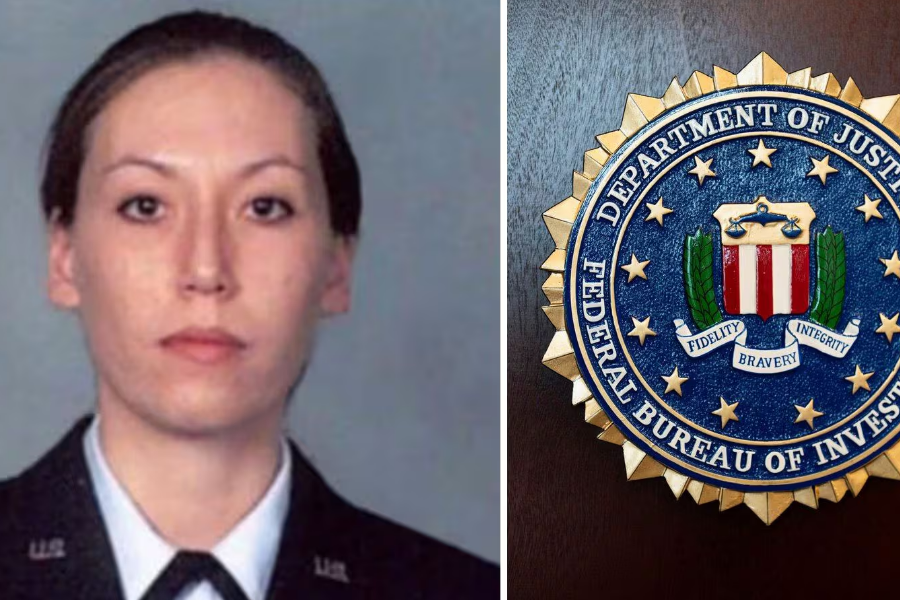
The Espionage Charges Against Monica Witt
In 2019, the U.S. Department of Justice unsealed charges accusing Monica Witt of conspiring to provide classified defense information to the Iranian government. Prosecutors alleged that she defected to Iran around 2013 after attending conferences and events linked to Iranian organizations.
The allegations included claims that she:
- Shared sensitive intelligence information
- Revealed identities of U.S. intelligence personnel
- Assisted Iranian cyber operations
- Helped target former colleagues
- Provided information about American intelligence methods
Federal investigators said her actions endangered intelligence assets and compromised national security operations.
The charges against Witt included:
- Conspiracy to deliver national defense information
- Acting on behalf of a foreign government
- Providing intelligence support to Iran
The case was considered highly serious because it allegedly involved both human intelligence exposure and cyber-related targeting activities.
Why the FBI Offered a $200,000 Reward
The FBI later announced a reward of up to $200,000 for information leading to Monica Witt’s location, recovery, or return. Authorities believed she was residing in Iran and possibly receiving protection from Iranian officials.
The reward served several purposes:
- Encouraging tips from international sources
- Increasing public awareness of the case
- Applying pressure through global attention
- Gathering intelligence on her activities and whereabouts
The phrase “FBI offers $200,000 for information on former Air Force intelligence specialist charged with spying for Iran” became widely circulated because it highlighted the rare nature of the reward in an espionage case involving a former U.S. military member.
Monica Witt’s Military and Intelligence Background
Air Force Career and Specialized Training
During her service, Monica Witt reportedly worked in counterintelligence and intelligence analysis. These fields involve identifying threats, protecting classified operations, and monitoring foreign intelligence activities.
Individuals in these roles often receive training in:
- Surveillance detection
- Intelligence collection
- Secure communications
- Threat assessment
- Counterespionage procedures
This background is what made the allegations especially alarming to federal investigators.
Transition to Civilian Contractor Work
After leaving military service, Witt allegedly remained connected to defense and intelligence communities through contractor work. Former intelligence specialists frequently continue supporting government-related operations in civilian positions.
According to investigators, her familiarity with intelligence systems and personnel networks may have helped Iranian officials gain insights into American operations.
How Monica Witt Allegedly Became Involved With Iran
Conferences and Overseas Travel
Authorities claimed Witt attended conferences connected to Iranian organizations before defecting. Prosecutors alleged that Iranian intelligence personnel used these events to build relationships and influence attendees.
This type of recruitment strategy is not uncommon in counterintelligence investigations. Foreign intelligence services often target individuals who:
- Have classified knowledge
- Feel dissatisfied with their government
- Possess financial or emotional vulnerabilities
- Maintain access to sensitive networks
Alleged Defection to Iran
According to the indictment, Witt eventually traveled to Iran and chose not to return to the United States. U.S. officials claimed she began cooperating with Iranian intelligence agencies shortly afterward.
The government alleged she appeared in Iranian media and publicly criticized U.S. policies. Investigators also said she assisted efforts aimed at identifying and monitoring American intelligence personnel.
Cyber Operations Linked to the Case
One of the most concerning parts of the Monica Witt investigation involved cyber activity. Federal prosecutors accused Iranian hackers of targeting U.S. intelligence officials using information allegedly connected to Witt.
Alleged Online Targeting Efforts
Authorities claimed Iranian cyber operators used social engineering techniques to gather information about former intelligence colleagues.
These tactics allegedly included:
- Fake social media profiles
- Fraudulent communications
- Phishing campaigns
- Online impersonation
- Surveillance of intelligence personnel
The case highlighted how modern espionage combines traditional intelligence gathering with digital operations.
Exposure of Intelligence Personnel
According to prosecutors, some U.S. intelligence officers faced increased security risks after their identities and information were allegedly exposed.
This raised broader concerns about:
- Insider threats
- Cybersecurity vulnerabilities
- Former employee risks
- Intelligence community protection measures
Why the Case Was So Significant
Rare Example of a Military Defection
Cases involving former American military intelligence specialists accused of defecting to hostile governments are extremely rare. That rarity made Monica Witt’s case particularly high-profile.
National security experts viewed the situation as a warning about the risks posed by individuals with deep knowledge of classified systems.
Impact on Counterintelligence Operations
The investigation reinforced the importance of monitoring insider threats within intelligence agencies and military operations.
Government agencies increased focus on:
- Employee behavioral monitoring
- Cybersecurity awareness
- Protection of covert identities
- Foreign influence detection
- Intelligence community security protocols
Public Interest and Media Attention
The combination of espionage, cyber operations, Iran, and military intelligence made the case highly newsworthy. Public interest intensified after the FBI reward announcement.
Many people searched for answers about:
- Whether Monica Witt was still in Iran
- The evidence against her
- How espionage investigations work
- The risks of intelligence leaks
Iran-U.S. Intelligence Tensions
The Monica Witt case also reflected broader tensions between the United States and Iran. For years, both countries have accused each other of intelligence operations, cyber activities, and surveillance efforts.
Espionage and Cyber Conflict
Modern geopolitical conflicts increasingly involve digital intelligence operations rather than traditional battlefield confrontations.
Cyber espionage can include:
- Hacking campaigns
- Information theft
- Online influence operations
- Infrastructure targeting
- Identity exposure
The Monica Witt investigation became part of wider concerns about cyber warfare and foreign intelligence recruitment.
National Security Implications
Experts argued the case demonstrated how intelligence information can remain valuable long after someone leaves military service.
Former intelligence personnel may still possess:
- Operational knowledge
- Contacts and networks
- Strategic procedures
- Classified memory-based information
This is why governments maintain strict security regulations for individuals with sensitive clearances.
FBI Investigation and Public Appeals
International Challenges
Because Monica Witt was believed to be in Iran, investigators faced major legal and diplomatic barriers. The absence of extradition agreements complicated efforts to bring her back to the United States.
International espionage cases often involve:
- Diplomatic tensions
- Limited cooperation
- Intelligence secrecy
- Cross-border legal challenges
FBI Public Outreach
The FBI used public announcements and reward offers to encourage international cooperation and tips from individuals who may have had relevant information.
The bureau emphasized that espionage cases involving former military intelligence personnel represent serious national security concerns.
Lessons From the Monica Witt Case
Insider Threat Awareness
One major lesson from the case involves insider threat prevention. Governments and private defense organizations continue improving methods to identify risks before sensitive information is compromised.
Common warning signs may include:
- Sudden ideological shifts
- Unauthorized information access
- Foreign intelligence contact
- Security policy violations
- Financial distress
Importance of Cybersecurity
The allegations involving online targeting reinforced the growing overlap between espionage and cybersecurity.
Modern intelligence operations now rely heavily on:
- Digital surveillance
- Data analysis
- Social engineering
- Cyber infiltration
- Online identity tracking
Security After Military Service
The case also highlighted that intelligence-related security concerns do not necessarily end after someone leaves active duty.
Former intelligence workers often remain subject to security restrictions because of the information they once handled.
Public Reactions and Debate
Public reaction to the Monica Witt story was mixed. Some viewed the allegations as clear betrayal, while others focused on broader questions about psychological manipulation, ideological radicalization, and foreign influence.
National security analysts debated:
- Whether warning signs were missed
- How foreign recruitment occurs
- The effectiveness of counterintelligence systems
- Risks posed by former intelligence personnel
The story remains one of the most discussed recent examples of alleged espionage involving a former Air Force intelligence specialist.
FAQ
Why did the FBI offer $200,000 for Monica Witt information?
The FBI announced a reward to encourage tips regarding Monica Witt’s whereabouts and activities. Authorities believed she was in Iran and wanted information that could assist the investigation or help bring her to justice. Reward offers are sometimes used in major national security cases involving espionage or terrorism.
What was Monica Witt accused of doing?
Monica Witt was accused of conspiring to provide classified defense information to Iran. Prosecutors alleged she exposed intelligence personnel, shared sensitive operational knowledge, and assisted Iranian intelligence efforts. She was also linked to cyber-related targeting operations against former colleagues.
Did Monica Witt work for U.S. intelligence agencies?
Yes. She served as an Air Force counterintelligence specialist and later reportedly worked as a defense contractor. Her positions gave her access to sensitive information and knowledge related to intelligence operations and national security.
Is Monica Witt still in Iran?
Public reports from U.S. authorities have indicated that Monica Witt was believed to be residing in Iran after allegedly defecting there. Due to diplomatic complications and limited cooperation, bringing her back to the United States has remained difficult.
Conclusion
The Monica Witt case remains one of the most widely discussed modern espionage investigations involving a former U.S. military intelligence specialist. Allegations that she defected to Iran and assisted foreign intelligence operations shocked many within the national security community and highlighted the evolving nature of modern espionage.
Beyond the headlines, the investigation exposed larger issues surrounding cybersecurity, insider threats, intelligence protection, and international tensions. It also demonstrated how former intelligence personnel can remain valuable targets for foreign governments long after leaving active service.
As technology and global intelligence operations continue evolving, cases like this will likely remain central to discussions about national security, digital espionage, and counterintelligence strategy.

Leave a Reply