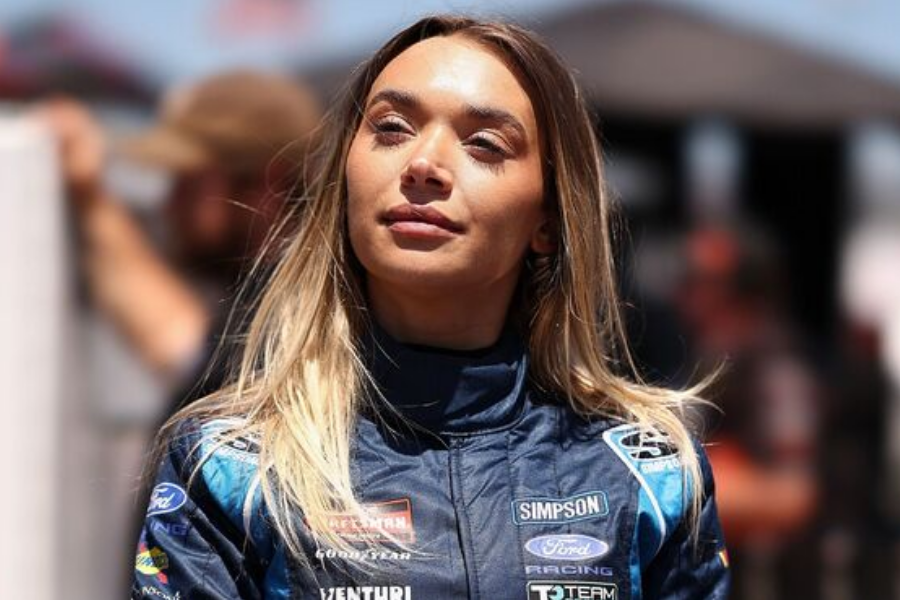
Natalie Decker has become one of the most talked-about names in modern stock car racing, not only because of her performances on the track but also due to the emotional and highly public moments that shaped her career. Over the years, fans searching for stories involving a car controversy, emotional race radio clips, and headlines like “Female NASCAR driver cries during shocking in-car meltdown, parks truck during race and rage-quits the series” have repeatedly come across Decker’s name.
While sensational headlines often dominate online conversations, there is much more to her story than one difficult race moment. Natalie Decker’s career includes years of hard work, sponsorship pressure, health battles, competitive setbacks, and the challenge of building a reputation in one of the toughest motorsports environments in America. Her path through ARCA, NASCAR regional competition, and truck racing reflects the realities many young drivers face when trying to survive in professional racing.
This article explores Decker’s background, racing achievements, viral controversies, emotional race incidents, and the broader conversation about women competing in elite motorsports.
Who Is Natalie Decker?
Natalie Decker is an American stock car racer known for competing in NASCAR-related series and ARCA events.
Born in Wisconsin, Decker developed a passion for racing at an early age. Like many professional drivers, she began competing in karting before moving into larger racing divisions.
Early Racing Career
Her progression through motorsports included:
- Go-kart racing
- Super Late Model competition
- ARCA Menards Series appearances
- NASCAR Truck Series opportunities
Decker quickly attracted attention because of her aggressive driving style, marketability, and growing fan base.
Entering the NASCAR Spotlight
Women in stock car racing often face intense public scrutiny, and Decker entered the national spotlight during a period when motorsports audiences were increasingly focused on female representation.
Her arrival in major racing series generated significant media attention because fans wanted to see whether another woman could break through in NASCAR at a higher level.
The Challenges of Competing in NASCAR
Professional stock car racing is one of the most physically and mentally demanding forms of motorsport.
Why NASCAR Is So Difficult
Drivers must manage:
- High-speed vehicle control
- Tire wear and fuel strategy
- Split-second reactions
- Long race durations
- Team communication under pressure
A NASCAR race can quickly become emotionally overwhelming, especially for developing drivers still gaining experience.
Pressure Beyond the Track
Young racers also deal with:
- Sponsorship expectations
- Media criticism
- Fan reactions on social media
- Financial uncertainty
- Constant performance evaluation
For many athletes, emotional frustration during races becomes unavoidable at some point.
Female NASCAR Driver Cries During Shocking In-Car Meltdown
One of the most searched topics involving Natalie Decker centers around emotional race radio moments that went viral online.
What Happened?
During a difficult racing event, Decker became visibly emotional over team radio communications. Frustration built throughout the race as handling issues, competitive struggles, and mounting pressure affected her performance.
Clips circulating online led to dramatic headlines such as:
“Female NASCAR driver cries during shocking in-car meltdown.”
The moment spread rapidly because motorsports fans are highly engaged with in-race audio and behind-the-scenes emotion.
Why the Incident Drew Attention
Several factors fueled the reaction:
- Emotional radio transmissions are rare but memorable
- Social media amplified the clips quickly
- Fans debated whether criticism toward her was fair
- The incident highlighted the mental side of racing
While some viewers mocked the situation, others defended Decker, pointing out that emotional breakdowns happen across all forms of professional sports.
Emotional Moments Are Common in Racing
Although the incident became heavily discussed online, racing history includes many emotional reactions from drivers under extreme stress.
Drivers regularly experience:
- Panic during dangerous situations
- Frustration with equipment failures
- Anger toward teams or competitors
- Emotional exhaustion after crashes
The difference is that modern broadcasts and social media expose those moments instantly.

Parks Truck During Race and Rage-Quits the Series
Another widely searched phrase linked to Decker involves claims that she “parks truck during race and rage-quits the series.”
Understanding the Situation
In motorsports, parking a vehicle early can happen for many reasons:
- Mechanical problems
- Safety concerns
- Strategic decisions
- Driver frustration
- Team-related issues
In Decker’s case, online narratives exaggerated parts of the story, turning a difficult racing moment into a viral controversy.
Did She Actually Quit Racing?
Despite rumors and dramatic headlines, Decker did not permanently abandon motorsports after the incident.
Instead, her career continued through various racing appearances and public motorsports involvement.
The “rage-quits the series” narrative became popular because controversy generates attention online, especially in NASCAR media spaces.
How Viral Headlines Distort Sports Stories
Sports coverage often prioritizes emotional drama because it attracts clicks and engagement.
Headlines may oversimplify situations by:
- Ignoring technical race issues
- Removing context from radio audio
- Focusing only on emotional reactions
- Framing frustration as career collapse
This frequently happens to athletes across major sports, particularly younger competitors.
Natalie Decker’s Health Battles
One of the lesser-known aspects of Decker’s career involves her health challenges.
Living With Medical Issues
Decker has publicly discussed dealing with inflammatory bowel disease, including ulcerative colitis.
For a professional race car driver, chronic illness creates enormous challenges because racing demands:
- Long physical endurance
- Intense concentration
- Heat management
- Consistent energy levels
Managing symptoms while competing at high speeds adds another layer of difficulty to an already stressful sport.
Earning Respect Through Persistence
Even critics acknowledged her determination to continue racing despite physical setbacks.
Athletes competing with chronic conditions often face invisible struggles that fans do not fully see during broadcasts or race weekends.
Natalie Decker and the Role of Women in NASCAR
Women remain underrepresented in top-level stock car racing.
Breaking Into a Male-Dominated Sport
Female drivers must often overcome:
- Limited development opportunities
- Sponsorship bias
- Greater media scrutiny
- Constant comparisons to predecessors
Decker entered NASCAR during a time when conversations about diversity and representation in motorsports were becoming more visible.
Comparisons to Other Female Drivers
Fans and media frequently compare emerging drivers to names such as:
- Danica Patrick
- Hailie Deegan
- Shawna Robinson
These comparisons can create unrealistic expectations for younger competitors still developing their skills.
Public Perception Challenges
Female racers often receive attention beyond performance statistics, including discussions about:
- Personality
- Media image
- Sponsorship appeal
- Social media presence
That level of scrutiny can intensify criticism during difficult racing moments.
The Mental Side of Motorsport
The emotional side of racing is often underestimated by casual fans.
Why Drivers Reach Breaking Points
Race weekends involve enormous psychological pressure.
Drivers constantly manage:
- Fear of crashing
- Sponsor expectations
- Team communication stress
- Career uncertainty
- Public criticism
A single bad performance can affect future opportunities, which increases emotional strain.
Radio Communication Adds Pressure
Unlike many sports, NASCAR fans hear drivers’ raw emotions through live radio transmissions.
That means moments of:
- Anger
- Panic
- Frustration
- Exhaustion
become public almost immediately.
This transparency creates compelling entertainment but can also expose athletes during vulnerable moments.
Natalie Decker’s Fan Base and Social Media Presence
Despite controversies, Decker built a loyal fan following.
Why Fans Support Her
Many supporters appreciate:
- Her perseverance
- Openness about health struggles
- Determination in a difficult sport
- Positive public personality
Fans often relate to athletes who show emotion because it makes them appear more human and authentic.
Social Media’s Double-Edged Effect
Social platforms helped increase Decker’s visibility but also intensified criticism.
After emotional race incidents, athletes frequently face:
- Viral memes
- Harsh commentary
- Online harassment
- Misleading narratives
At the same time, social media gives drivers direct access to supporters and sponsors.
Car Culture and NASCAR Identity
The keyword “car” remains central to Natalie Decker-related searches because stock car racing culture revolves around more than competition alone.
Why Fans Love NASCAR Cars
NASCAR audiences are deeply passionate about:
- Vehicle design
- Engine performance
- Team branding
- Racing strategy
- Mechanical innovation
Drivers become associated with the cars they race, making every on-track incident emotionally charged for fans.
The Emotional Bond Between Driver and Machine
In motorsports, drivers often describe their race car as an extension of themselves.
When handling problems or mechanical failures occur, frustration builds quickly because drivers feel powerless despite years of preparation.
That emotional connection partly explains intense radio outbursts during races.
Did Natalie Decker Fulfill Expectations?
Evaluating Decker’s career depends largely on perspective.
Areas Where She Succeeded
She successfully:
- Reached nationally recognized racing series
- Built a strong fan base
- Secured sponsorship opportunities
- Increased visibility for female drivers
Those achievements alone are significant in professional motorsports.
Areas of Criticism
Critics argued that:
- Her results did not match the publicity
- Consistency remained an issue
- Emotional moments overshadowed performances
However, motorsports careers are rarely simple, especially for drivers navigating limited resources and intense expectations.
Why Her Story Still Generates Attention
Years after her most viral moments, Natalie Decker continues generating search traffic because her story combines several compelling elements:
- Emotional sports drama
- NASCAR culture
- Female athlete visibility
- Social media controversy
- Underdog perseverance
Fans remain curious about where her career may go next and whether she could eventually return to larger racing platforms.
FAQ
Why did Natalie Decker become viral during a NASCAR race?
She became viral after emotional in-car radio communications spread online during a frustrating race. Fans reacted strongly to the audio, leading to headlines about a shocking meltdown and intense public discussion.
Did Natalie Decker really rage-quit racing?
No, she did not permanently leave motorsports. Although dramatic headlines suggested she rage-quit the series after parking her truck during a race, she continued participating in racing-related activities afterward.
What health condition has Natalie Decker discussed publicly?
Decker has spoken openly about living with ulcerative colitis, a form of inflammatory bowel disease. Managing a chronic medical condition while competing professionally adds major physical and mental challenges.
Why are female NASCAR drivers heavily scrutinized?
Women in stock car racing often receive greater media attention because they remain a minority in the sport. Their performances, personalities, and emotional reactions frequently become larger public talking points than those of male drivers.
Conclusion
Natalie Decker represents a modern era of motorsports where talent, pressure, social media, and public perception collide in real time. While headlines about a female NASCAR driver crying during a shocking in-car meltdown or parking a truck during a race captured online attention, those moments tell only part of the story.
Behind the controversy is a racer who battled health issues, navigated intense scrutiny, and competed in one of the world’s toughest motorsports environments. Her journey highlights both the opportunities and challenges facing women in NASCAR today.
Whether fans admire her perseverance or debate her racing legacy, Natalie Decker remains a name people continue discussing across the racing world — and that alone shows the lasting impact of her career.

Leave a Reply