As anticipation builds for the next FIFA World Cup, discussion around the England World Cup Squad is already dominating football conversations. England head into the tournament cycle with one of the deepest talent pools in international football, combining experienced tournament players with a rising generation of elite young stars. From the creativity of Cole Palmer to the attacking intelligence of Phil Foden, the national team appears well-equipped to challenge for major honors.
The biggest debates center around squad balance, tactical flexibility, and whether established names like Harry Maguire and Ivan Toney will remain central figures by the time the tournament begins. England’s recent progress in international competitions has raised expectations, and supporters now expect more than just a strong run — they expect a genuine title challenge.
This article breaks down the likely England roster, key positions, tactical options, breakout candidates, and the biggest selection dilemmas ahead of the 2026 World Cup.
Why England Enter the 2026 World Cup as Contenders
England have spent the last several tournaments building a more mature and tactically flexible side. Deep runs in major competitions have given many players valuable experience under pressure, while the emergence of younger stars has added technical quality across the pitch.
Several factors make this generation especially dangerous:
- Strong attacking depth
- Elite creative midfielders
- Young defenders gaining top-level experience
- Improved squad competition
- Tactical versatility across multiple systems
Unlike previous eras, England now possess genuine options in almost every position. Competition for places has become one of the squad’s biggest strengths.
Predicted England Squad for 2026 World Cup
Goalkeepers
England remain well-stocked in goal, with proven Premier League experience and younger alternatives pushing for inclusion.
Likely selections:
- Jordan Pickford
- Aaron Ramsdale
- James Trafford
Pickford’s tournament experience still gives him the edge, especially considering his performances in penalty shootouts and knockout matches.
Defenders
Defense remains one of the most debated areas of the England squad. The future of experienced players and the rise of younger defenders could reshape the back line completely.
Potential defenders:
- Kyle Walker
- John Stones
- Marc Guehi
- Levi Colwill
- Harry Maguire
- Reece James
- Trent Alexander-Arnold
- Luke Shaw
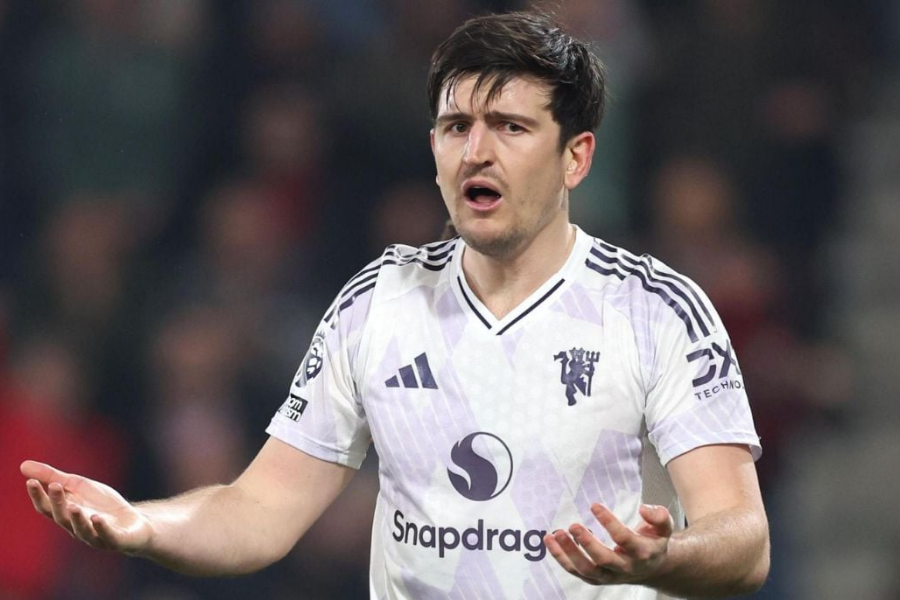
Maguire’s role continues to divide opinion. While critics question his pace and consistency, England managers have repeatedly trusted him in tournament football because of his aerial ability, leadership, and comfort in possession.
England also benefit from tactical flexibility. They can play:
- A traditional back four
- A back three with wing-backs
- An aggressive high-pressing defensive setup
That adaptability could become crucial against elite international opponents.
Midfield Depth Could Define England’s Tournament
The midfield may be England’s strongest area heading into 2026. The blend of technical quality, athleticism, and creativity gives the team multiple tactical approaches.
Likely midfield options include:
- Declan Rice
- Jude Bellingham
- Kobbie Mainoo
- Curtis Jones
- Conor Gallagher
The emergence of younger midfielders allows England to control matches differently than in previous tournaments. Instead of relying heavily on transitions and counterattacks, they can dominate possession against strong teams.
The Importance of Jude Bellingham
Bellingham has evolved into one of the world’s premier midfielders. His leadership, composure, and ability to influence games at both ends of the pitch make him essential to England’s ambitions.
By 2026, he could become the emotional and tactical centerpiece of the squad.
Cole Palmer’s Rise Changes England’s Attack
Few players have risen faster than Cole Palmer. His composure in big moments, technical creativity, and ability to operate across multiple attacking positions have made him impossible to ignore.
Why Palmer Fits Modern Tournament Football
Palmer offers several qualities that are especially valuable in international tournaments:
- Calmness under pressure
- Creativity in tight spaces
- Penalty-taking confidence
- Positional flexibility
- Strong decision-making in transition moments
England have often struggled to break down compact defenses in knockout matches. Palmer’s ability to create chances in congested areas could become a major weapon.
He can operate:
- As a right winger
- As a central attacking midfielder
- As a false nine
- In deeper creative roles
That versatility makes him one of the first names many fans now include in their predicted England XI.
Phil Foden’s Role Could Finally Be Perfectly Defined
For years, debates around Phil Foden focused on how to maximize his talents within the national team setup. At club level, his technical quality has never been questioned, but international football demands clear structure and tactical balance.
By 2026, England may finally build the attack around his strengths.
Where Foden Is Most Dangerous
Foden performs best when he:
- Receives the ball between defensive lines
- Drifts into central channels
- Combines quickly near the penalty area
- Has freedom to rotate positions
If England create the right tactical environment, Foden could become one of the tournament’s standout players.
His chemistry with Palmer and Bellingham could form one of the most technically gifted attacking units in world football.
Ivan Toney’s Experience Adds Something Different
Ivan Toney remains an intriguing option for England’s attack. While younger forwards offer pace and movement, Toney brings physicality, hold-up play, aerial strength, and elite penalty-taking ability.
Why Toney Still Matters
Tournament football often requires alternative approaches. Against deep defensive blocks, England sometimes need:
- A target forward
- Strong aerial presence
- Better link-up play
- Penalty box efficiency
Toney provides all of those qualities.
Even if he does not start every match, he could become extremely valuable in:
- Late-game situations
- Set-piece-heavy matches
- Physical knockout games
International squads need tactical variety, and Toney gives England a different attacking profile
England’s Strongest Possible Starting XI
A projected strongest lineup could look like this:
Goalkeeper
- Jordan Pickford
Defense
- Kyle Walker
- John Stones
- Marc Guehi
- Luke Shaw
Midfield
- Declan Rice
- Jude Bellingham
- Phil Foden
Attack
- Cole Palmer
- Harry Kane
- Bukayo Saka
This lineup balances experience, creativity, and defensive structure while maintaining attacking unpredictability.
Young Players Who Could Break Into the Squad
Every World Cup introduces unexpected breakout stars. England’s youth pipeline remains one of the strongest in Europe.
Potential surprise inclusions:
- Rico Lewis
- Adam Wharton
- Jarrad Branthwaite
- Ethan Nwaneri
- Liam Delap
The challenge for England’s coaching staff will be balancing experience with fearless young talent.
Tactical Questions England Must Solve
Despite the talent available, England still face several major tactical decisions before the tournament.
Should England Play Possession Football?
England traditionally performed better in transition-heavy systems, but the technical quality of the current generation encourages a more possession-focused approach.
Advantages of possession football:
- Better control of matches
- Reduced defensive exposure
- More opportunities for creative players
Risks include:
- Slower attacking tempo
- Vulnerability to counterattacks
- Overcomplicated build-up play
Can England Handle Defensive Pressure?
Major tournaments are often decided by defensive resilience. England’s ability to manage high-pressure knockout moments remains under scrutiny.
Questions still remain about:
- Defensive pace
- Set-piece defending
- Playing against elite pressing teams
The answer may determine whether England merely compete or truly contend for the trophy.
The Leadership Core of the Squad
Successful international teams usually rely on a strong leadership spine. England appear to have several players capable of guiding the team through difficult moments.
Key leaders include:
- Harry Kane
- Declan Rice
- John Stones
- Jude Bellingham
- Harry Maguire
Leadership becomes especially important in:
- Penalty shootouts
- Tight knockout games
- Momentum swings during tournaments
England’s recent tournament experience could prove invaluable in these situations.
Biggest Selection Debates Before 2026
Does Harry Maguire Still Start?
This remains one of the most polarizing discussions surrounding the England squad.
Supporters argue:
- He performs well internationally
- He offers leadership and aerial dominance
- England’s system suits his strengths
Critics argue:
- Younger defenders are more mobile
- England need faster recovery pace
- The team should evolve tactically
Whether Maguire remains a starter may depend on England’s defensive structure and opponent matchups.
Who Starts Alongside Harry Kane?
England possess multiple attacking options, but finding the ideal balance around Kane remains essential.
Potential combinations include:
- Foden and Palmer behind Kane
- Saka and Rashford on the wings
- Toney as a secondary striker
- Fluid false-nine systems
The flexibility of the front line could become England’s greatest attacking advantage.
Can England Finally Win the World Cup Again?
England’s talent level unquestionably places them among the world’s elite national teams. However, winning a World Cup requires more than individual brilliance.
Championship-winning teams typically need:
- Squad depth
- Tactical discipline
- Strong mentality
- Injury luck
- Momentum at the right time
England appear closer than ever to achieving that combination.
The 2026 tournament could represent the peak years for several stars simultaneously, creating a major opportunity for international success.
FAQ
Who will likely captain England at the 2026 World Cup?
Harry Kane remains the most likely captain due to his leadership experience and influence within the squad. However, Jude Bellingham and Declan Rice are emerging as future leadership figures. England may gradually transition toward a younger leadership group after the tournament cycle.
Is Cole Palmer guaranteed a place in the England squad?
Based on current form and development, Cole Palmer looks extremely likely to be included. His creativity, versatility, and calmness in high-pressure moments make him valuable in tournament football. Injuries and tactical changes could still influence his exact role.
Will Ivan Toney be part of England’s World Cup plans?
Ivan Toney remains a strong contender because he offers a different profile from England’s other attackers. His physical presence and finishing ability can help in difficult knockout matches. Much will depend on his club form and competition from younger forwards.
Why is Harry Maguire still important for England?
Harry Maguire continues to perform well in many international matches despite criticism at club level. His aerial dominance, leadership, and familiarity with tournament football make him a trusted option. England managers have consistently valued his experience in high-pressure situations.
Conclusion
England head toward the next World Cup with arguably their most balanced and technically gifted generation in decades. The blend of established tournament experience and fearless young talent gives supporters genuine reason for optimism.
Players like Cole Palmer, Phil Foden, Jude Bellingham, and Bukayo Saka represent the future of English football, while experienced figures such as Harry Kane, Ivan Toney, and Harry Maguire still provide important leadership and stability.
The biggest challenge now is transforming talent into trophies. If England solve their tactical questions and maintain squad health, they could enter 2026 as one of the strongest contenders in world football.

Leave a Reply