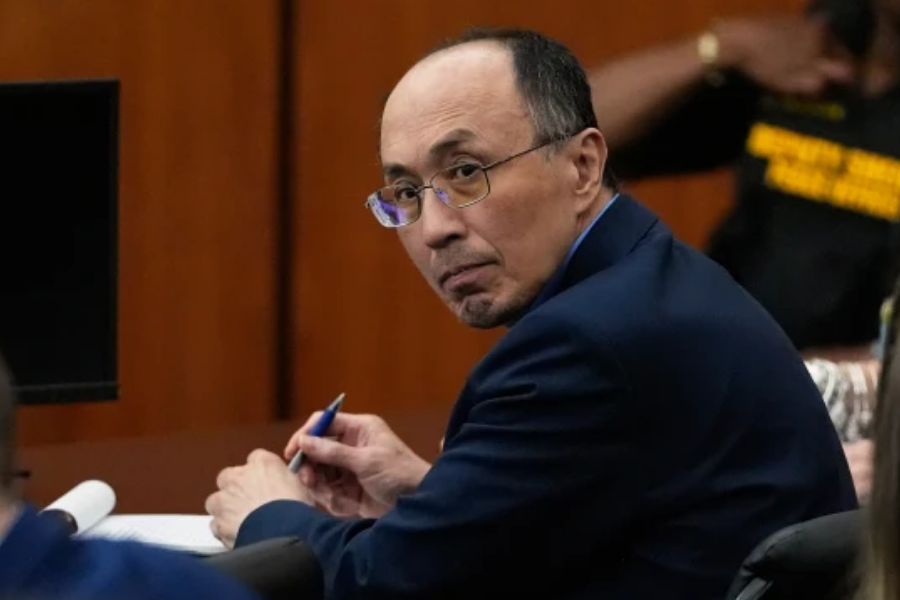
The name Rick Chow became nationally known following a tragic 2023 shooting in Columbia, South Carolina, that resulted in the death of 14-year-old Cyrus Carmack-Belton. The case sparked intense public debate about self-defense, gun laws, race, community safety, and the legal standards required to convict someone of murder.
Interest in the Rick Chow trial grew steadily as prosecutors and defense attorneys presented sharply different versions of what happened on the night of the shooting. Supporters of the prosecution argued that the teenager was wrongfully chased and shot after being falsely suspected of shoplifting. The defense maintained that Chow acted to protect his son from what he believed was an immediate threat involving a firearm.
The Rick Chow trial verdict ultimately became one of the most discussed courtroom decisions in South Carolina in recent years. This article examines who Rick Chow is, the events surrounding the death of Cyrus Carmack-Belton, the arguments presented during trial, the jury’s decision, and the broader questions raised by the case.
Who Is Rick Chow?
Rick Chow, whose full name is Chikei Rick Chow, was a convenience store owner in Columbia, South Carolina.
Before the shooting incident, he was largely unknown outside his local community. That changed in May 2023 when he became involved in a confrontation that ended with the fatal shooting of a teenager.
The case quickly attracted local and national media attention because it involved:
- A store owner pursuing a teenager
- Questions about self-defense
- A young victim carrying a firearm
- Allegations of a false shoplifting accusation
- Community protests and public demonstrations
As legal proceedings unfolded, the case became a focal point for discussions about criminal justice and public safety.
Who Was Cyrus Carmack-Belton?
Cyrus Carmack-Belton was a 14-year-old teenager from Columbia, South Carolina.
His death deeply affected family members, friends, classmates, and community leaders. Vigils and memorial events were held following the shooting, and many residents called for accountability and justice.
The teenager’s family consistently maintained that he should not have lost his life during what began as a misunderstanding involving bottles of water from a convenience store.
The tragedy became a symbol of broader concerns about youth violence, gun possession among minors, and the consequences of split-second decisions.
What Happened on the Night of the Shooting?
According to evidence presented during trial, the incident occurred on Memorial Day weekend in May 2023. Prosecutors said Chow and his family believed Cyrus Carmack-Belton had taken bottles of water from their store. Investigators later determined that the teenager had not stolen the water.
After the encounter began, a chase occurred outside the store.
Several key facts were largely undisputed:
- Chow pursued the teenager.
- Cyrus Carmack-Belton was carrying a firearm.
- A single shot was fired.
- The teenager was struck in the back.
- He later died from the gunshot wound.
The disagreement centered on one crucial question: Did Chow reasonably believe his son faced an immediate deadly threat?
That question became the foundation of the entire trial.
The Prosecution’s Argument
Prosecutors painted the shooting as an unnecessary and unjustified act.
Their argument focused on several points:
The Teen Was Falsely Suspected
The prosecution argued that the entire incident began because Chow incorrectly believed the teenager had stolen water from the store.
Witness Testimony
Several witnesses testified that they did not see the teenager pointing a weapon during the chase. Prosecutors argued this testimony undermined the defense’s version of events.
Distance of the Pursuit
The state emphasized that the pursuit continued for more than 100 yards from the convenience store before the fatal shot was fired. Prosecutors argued that this weakened claims of immediate self-defense.
The Shot Entered From Behind
Another major point was that Cyrus Carmack-Belton was shot in the back while running away. Prosecutors argued this fact was inconsistent with an imminent threat scenario.
The Defense’s Argument
Defense attorneys presented a very different version of events.
They acknowledged that Chow fired the fatal shot but argued that his actions were legally justified.
Defense of Another Person
The defense claimed Chow believed his son was in danger after the teenager allegedly pointed a firearm at him. According to this argument, Chow acted to protect his son from a perceived deadly threat.
Presence of a Firearm
A central part of the defense case was the undisputed fact that Cyrus Carmack-Belton possessed a loaded handgun at the time of the encounter.
Lack of Malice
Defense attorneys also highlighted testimony that Chow attempted CPR after the shooting. They argued this showed panic and concern rather than malicious intent.
Reasonable Doubt
Ultimately, the defense focused on creating reasonable doubt regarding whether Chow believed his son faced a deadly threat.
Under criminal law, prosecutors had the burden of proving guilt beyond a reasonable doubt.
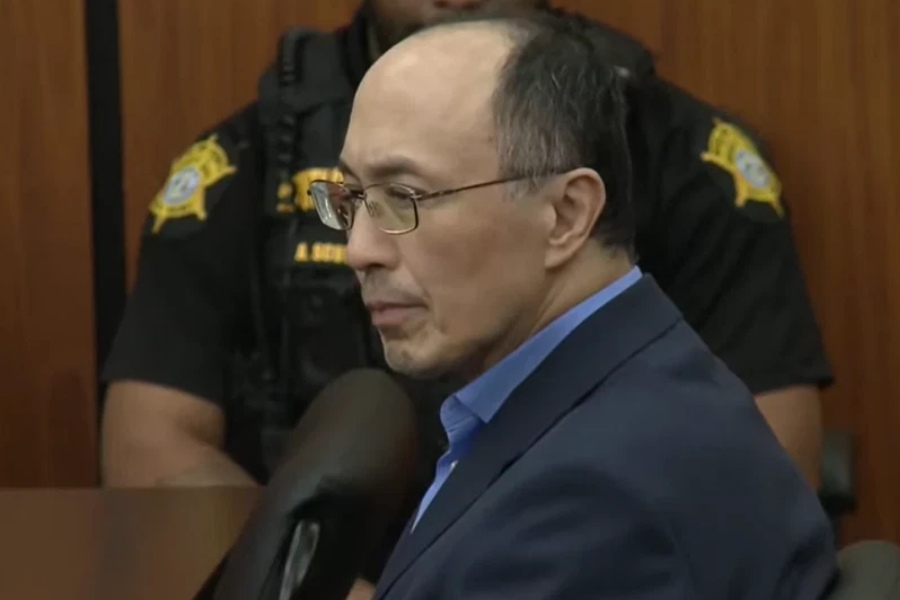
The Rick Chow Trial
The trial drew significant attention from both local and national media outlets.
Observers closely followed:
- Witness testimony
- Forensic evidence
- Surveillance footage discussions
- Expert analysis
- Closing arguments
During closing statements, prosecutors argued that the shooting was the result of anger and an unnecessary pursuit. Defense attorneys countered that the case involved a father making a split-second decision to protect his son.
The jury was ultimately tasked with deciding which interpretation was supported by the evidence.
Rick Chow Trial Verdict
The Rick Chow trial verdict was announced on June 1, 2026.
After several hours of deliberation, the jury found Rick Chow not guilty of murder.
The verdict generated strong reactions from all sides.
Supporters of the defense viewed the decision as confirmation that prosecutors had failed to disprove self-defense claims beyond a reasonable doubt.
Members of Cyrus Carmack-Belton’s family and many community advocates expressed disappointment and frustration with the outcome. Following the verdict, family representatives indicated plans to pursue a civil lawsuit.
Why Was the Verdict Controversial?
The case became controversial because reasonable people viewed the evidence differently.
Several factors contributed to the public debate:
Self-Defense Questions
Many people disagreed about whether a legitimate self-defense situation existed.
The Teen’s Age
The victim was only 14 years old, making the case especially emotional for many observers.
The Firearm Issue
Some focused on the fact that the teenager possessed a handgun, while others emphasized evidence suggesting he may not have actively threatened anyone during the chase.
Community Impact
The shooting prompted protests, vigils, and public demonstrations in Columbia and beyond.
Legal Lessons From the Case
The trial highlighted several important legal principles.
Burden of Proof
In criminal cases, defendants do not need to prove innocence. Prosecutors must prove guilt beyond a reasonable doubt.
Self-Defense Standards
Cases involving self-defense often depend heavily on what a defendant reasonably believed at the moment force was used.
Witness Credibility
Jurors frequently must evaluate conflicting witness testimony and determine which accounts they find most reliable.
High-Profile Cases
Public opinion and courtroom verdicts do not always align because juries must follow legal standards rather than public sentiment.
Public Reaction After the Verdict
Reactions following the verdict were deeply divided.
Some observers argued the jury reached the correct legal conclusion based on reasonable doubt and self-defense considerations.
Others believed the evidence supported criminal responsibility and viewed the acquittal as a miscarriage of justice.
The differing reactions illustrate how complex and emotionally charged self-defense cases can become, especially when they involve the death of a minor.
Frequently Asked Questions
What was the Rick Chow trial about?
The trial concerned the 2023 shooting death of 14-year-old Cyrus Carmack-Belton in Columbia, South Carolina. Prosecutors charged Rick Chow with murder, while the defense argued he acted to protect his son.
What was the Rick Chow trial verdict?
A South Carolina jury found Rick Chow not guilty of murder on June 1, 2026, after deliberating for several hours.
Who was Cyrus Carmack-Belton?
Cyrus Carmack-Belton was a 14-year-old teenager who died after being shot during a confrontation that began outside a convenience store in Columbia, South Carolina.
Why did the jury acquit Rick Chow?
The jury’s exact reasoning was not publicly detailed, but the defense successfully argued that there was reasonable doubt regarding whether Chow acted in defense of his son.
Conclusion
The Rick Chow case remains one of the most closely watched criminal trials in recent South Carolina history. The death of Cyrus Carmack-Belton sparked difficult conversations about self-defense, firearms, youth safety, community trust, and the criminal justice system.
While the jury ultimately returned a not-guilty verdict, the case continues to generate discussion because of the tragic loss of a young life and the legal questions surrounding the shooting. As civil proceedings and public debate continue, the case will likely remain a significant point of reference in discussions about self-defense law and criminal accountability for years to come.

Leave a Reply